
High-End Biomimetic House Design
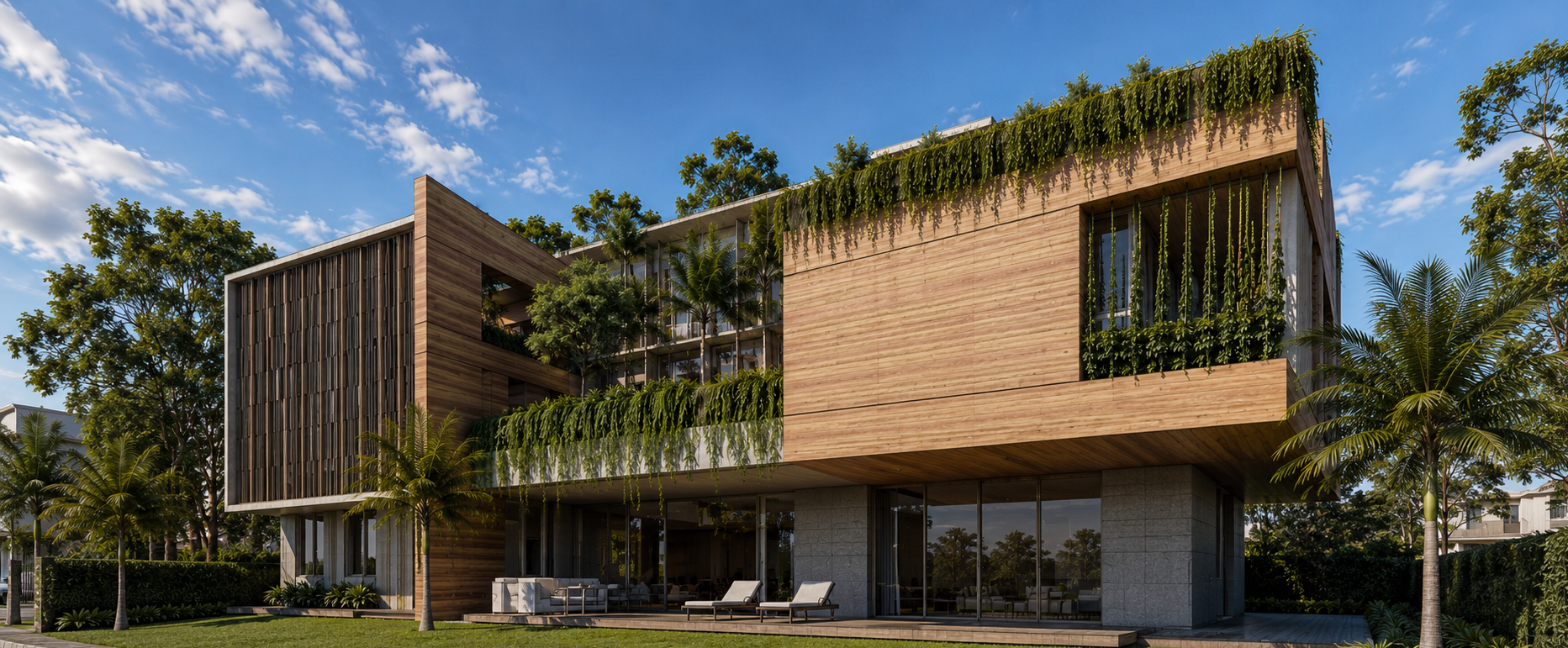
Partnering with B+H Architects, Biomimicry Frontiers helped a landowner push the boundaries of habitat design by successfully applying biomimicry and biophilic designs to a house design.
Location: Bengaluru | India
Service: Living Story | Biophilic Design | Embodied Carbon Costing | Master Planning & Architecture | Agroecology, Permaculture Strategy | Ecological Performance Standards & Review | Water & Waste Engineering | Thermal Comfort/CFD | PV Design
Type: Residential
Client: Private | Land Owner
Partners: B+H Architects
Design Period: 2017 to 2022
Team: Stephane Lasserre, Jamie Miller, Allen Lai, Asha Singhal, Nathan Stewart & Seb Ramirez
Learning from local genius
We recognized that if we want to learn how to design in place, we should speak to the elders who have been doing it naturally.
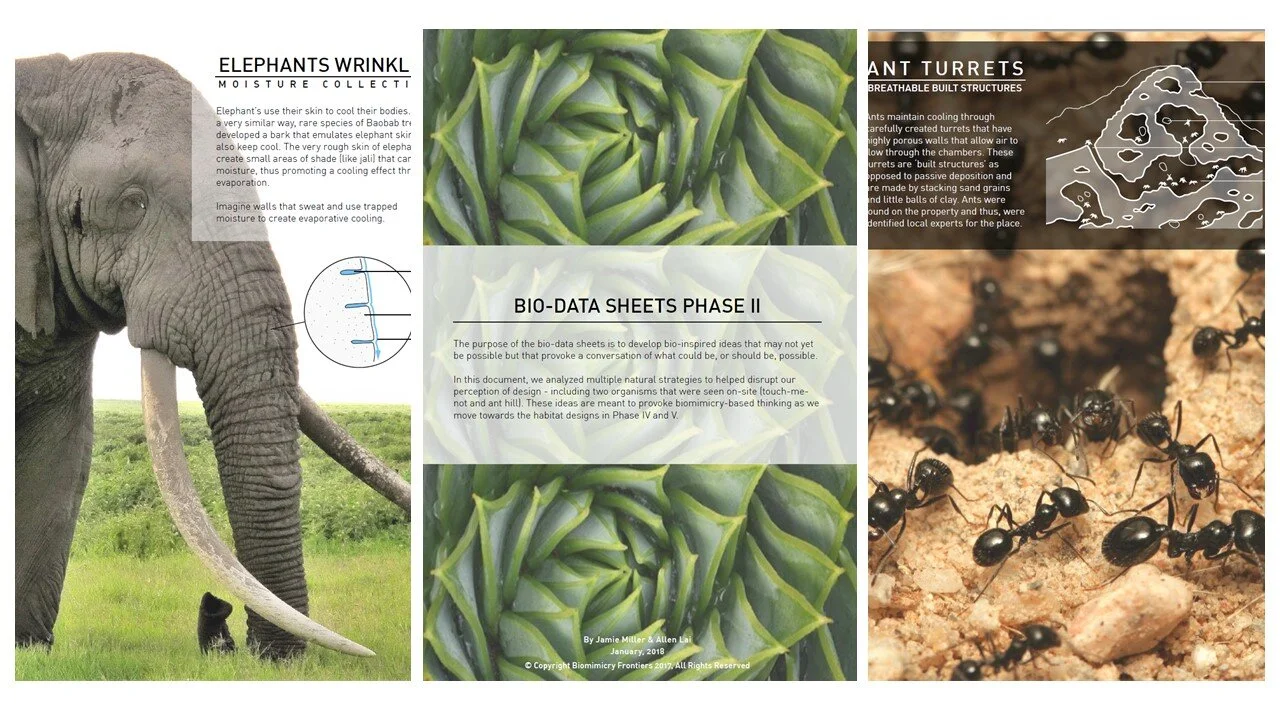
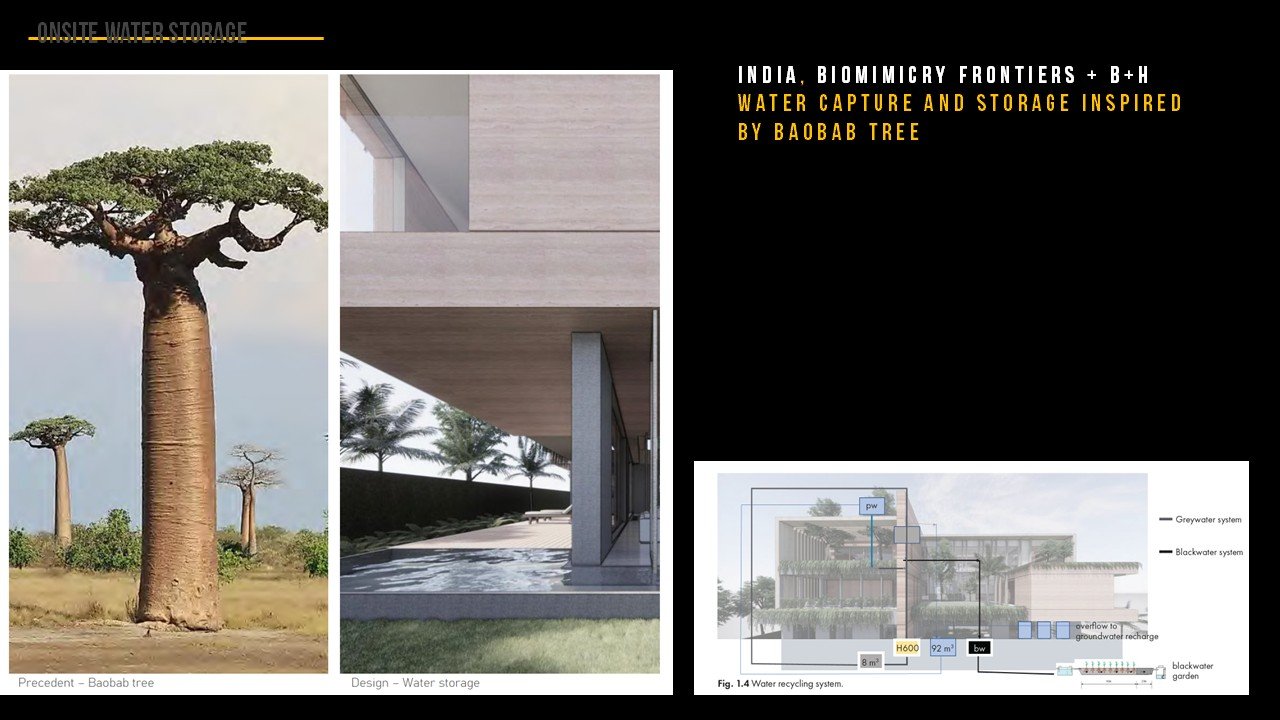
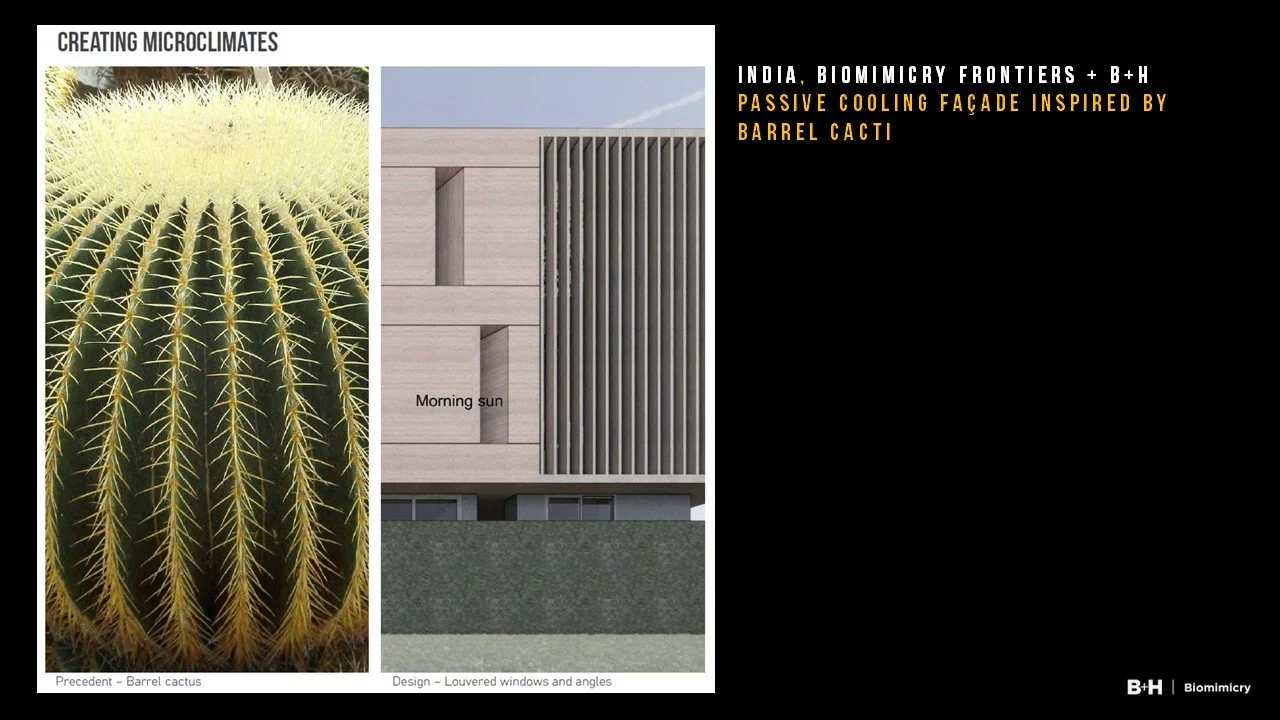
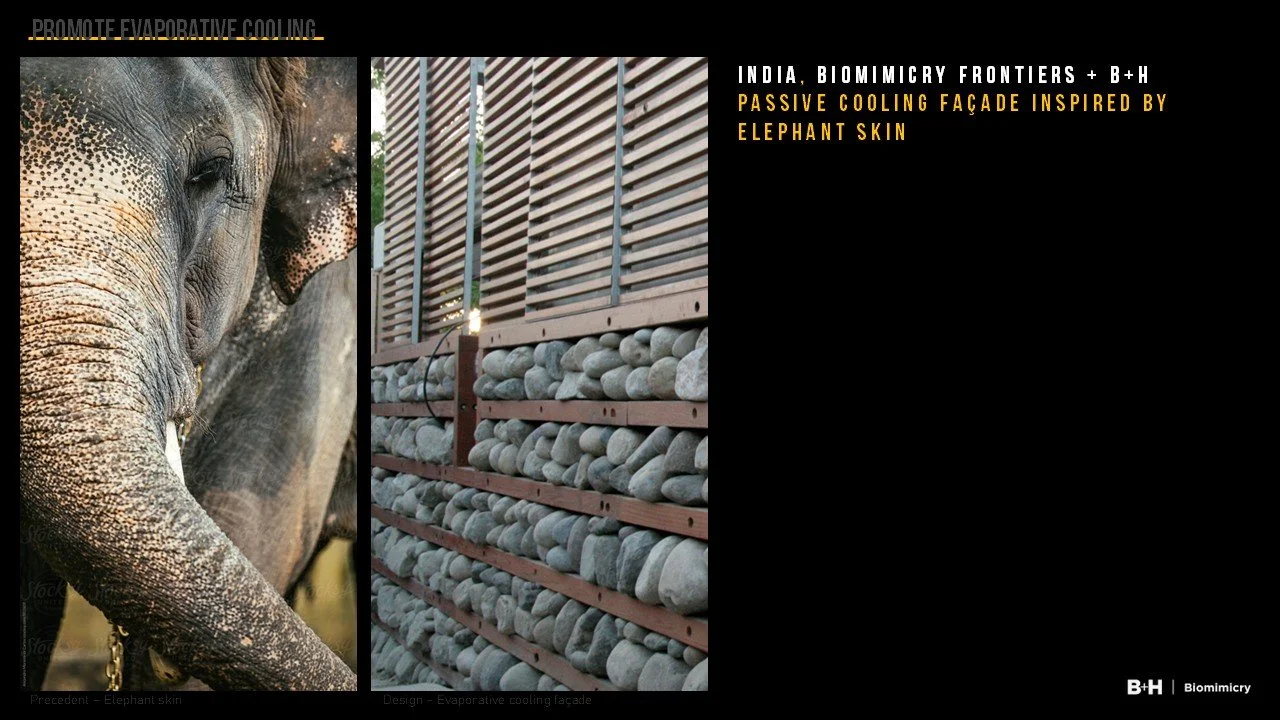
Micro-climates inspired by barrel cactus, passive cooling inspired by cracks in elephant skin, water strategies inspired by baobab tree, and passive ventilation inspired by termite mounds (among others).

Turning a building into a forest
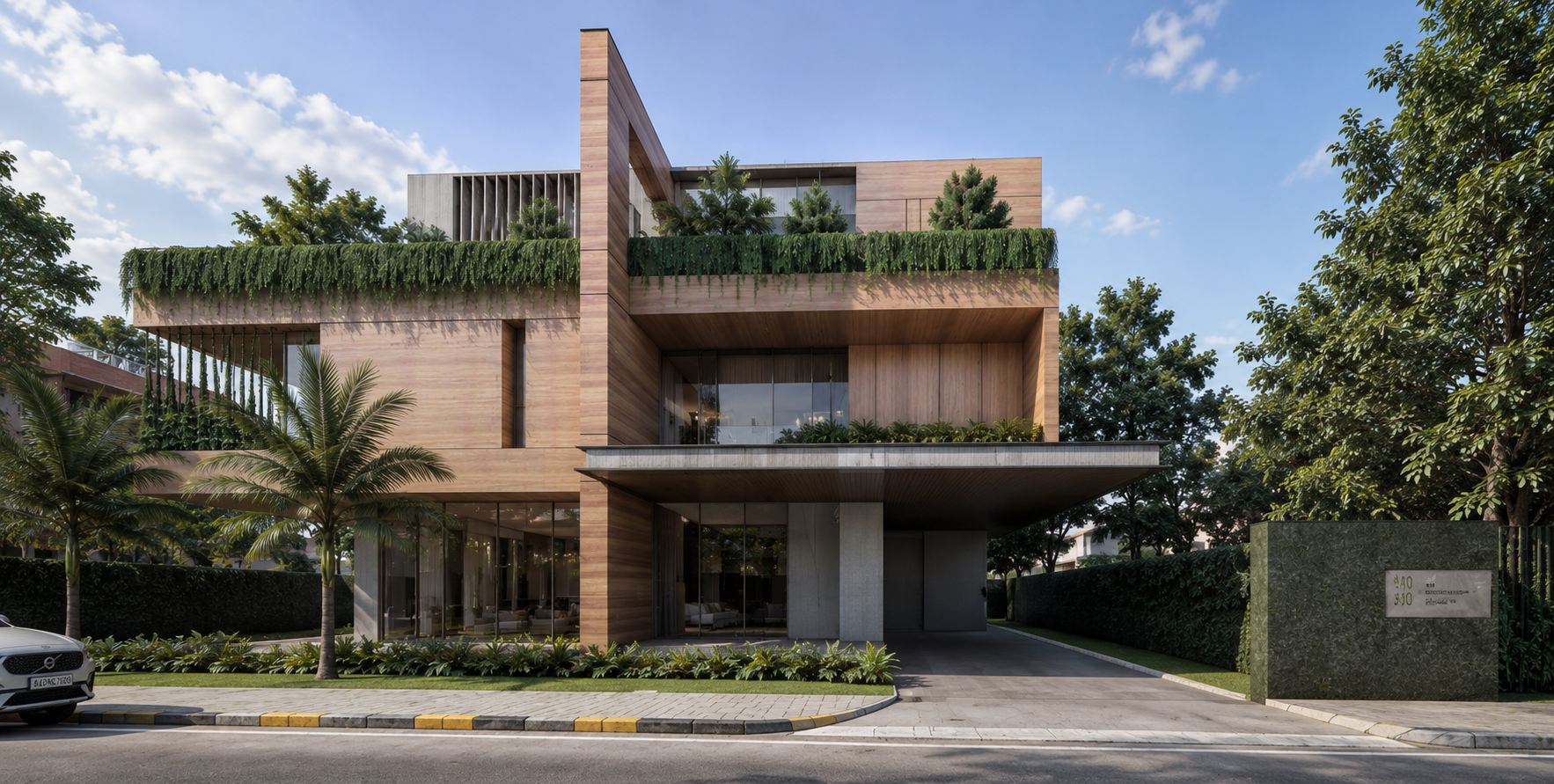
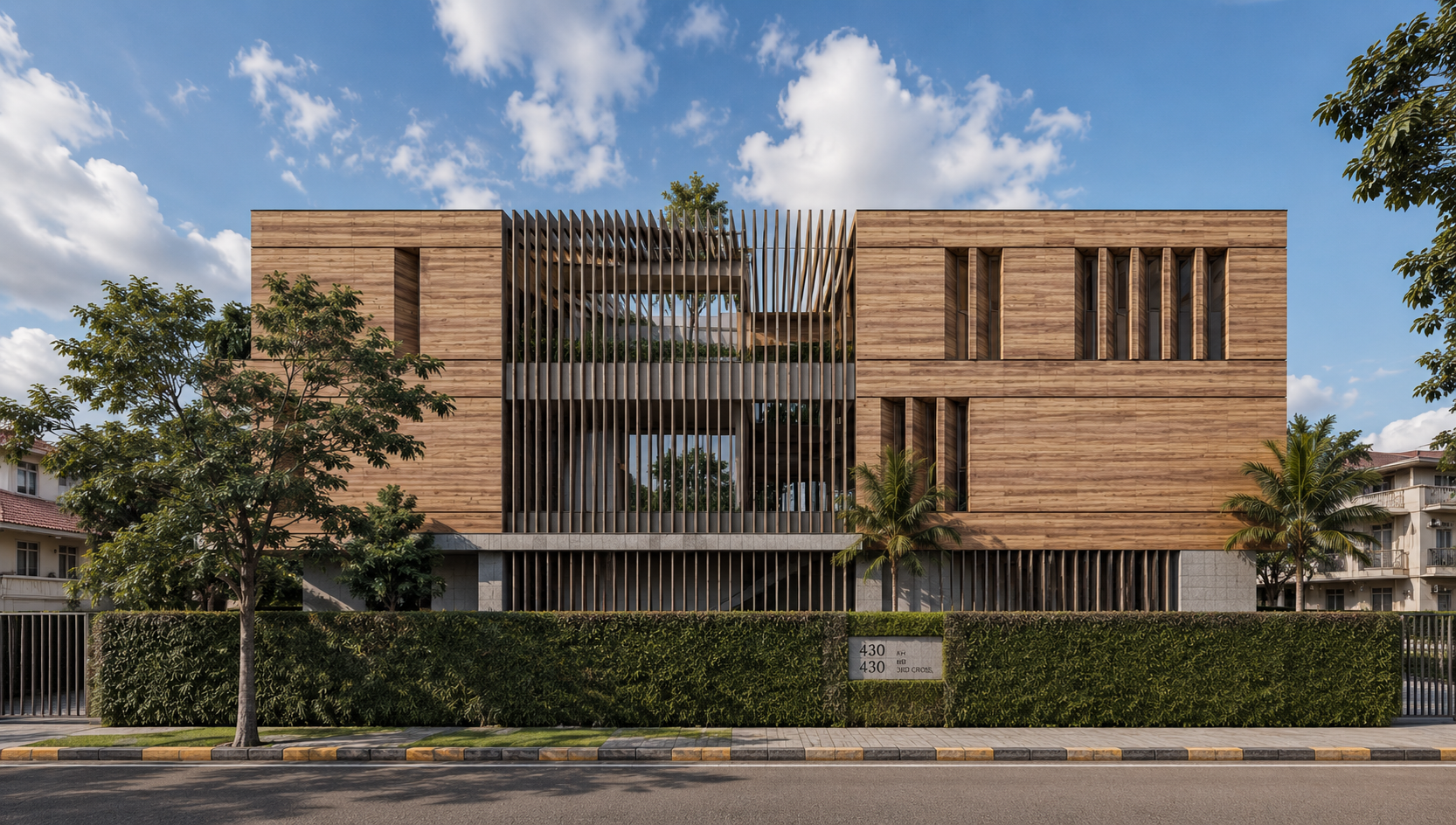
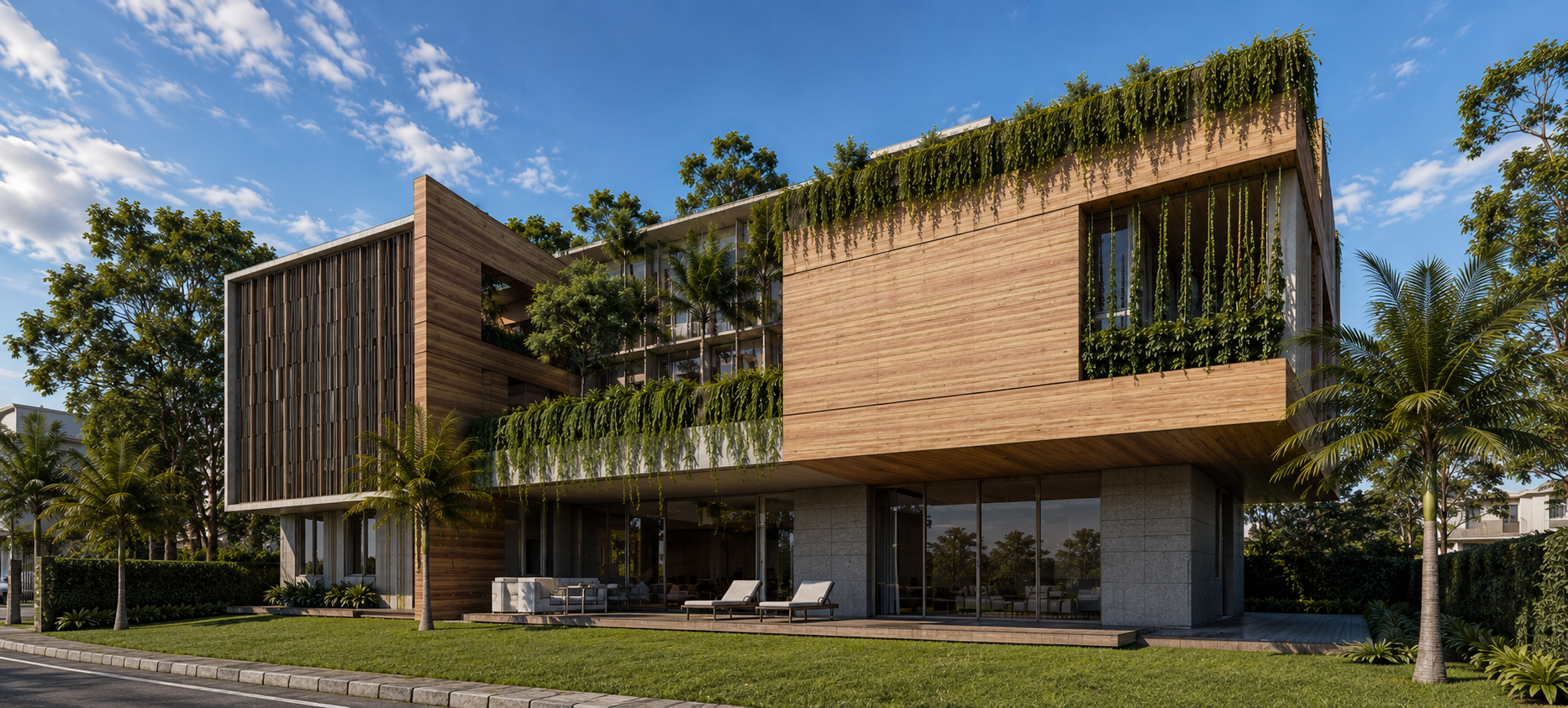
The client wanted the building to slowly merge into a forest, which we did by a permaculture planting strategy, an integrated water catchment and irrigation strategy, and by connecting all of the planters to mother earth (and to each other) to ensure plant resilience.
![20201022_Nadathur Residence Updated Architecture[1]-18.jpg](https://images.squarespace-cdn.com/content/v1/5e67a1043f00ce693e62d45d/72aa5fb3-81ad-4895-abb5-358bc8c7d478/20201022_Nadathur+Residence+Updated+Architecture%5B1%5D-18.jpg)
![20201022_Nadathur Residence Updated Architecture[1]-14.jpg](https://images.squarespace-cdn.com/content/v1/5e67a1043f00ce693e62d45d/1656431507538-7BKZGTFNNA5JP4XUVCPV/20201022_Nadathur+Residence+Updated+Architecture%5B1%5D-14.jpg)
![20201022_Nadathur Residence Updated Architecture[1]-19.jpg](https://images.squarespace-cdn.com/content/v1/5e67a1043f00ce693e62d45d/a88f9cd5-2b08-4206-80a7-c5bf64376aa7/20201022_Nadathur+Residence+Updated+Architecture%5B1%5D-19.jpg)


Biomimicry Building Standard
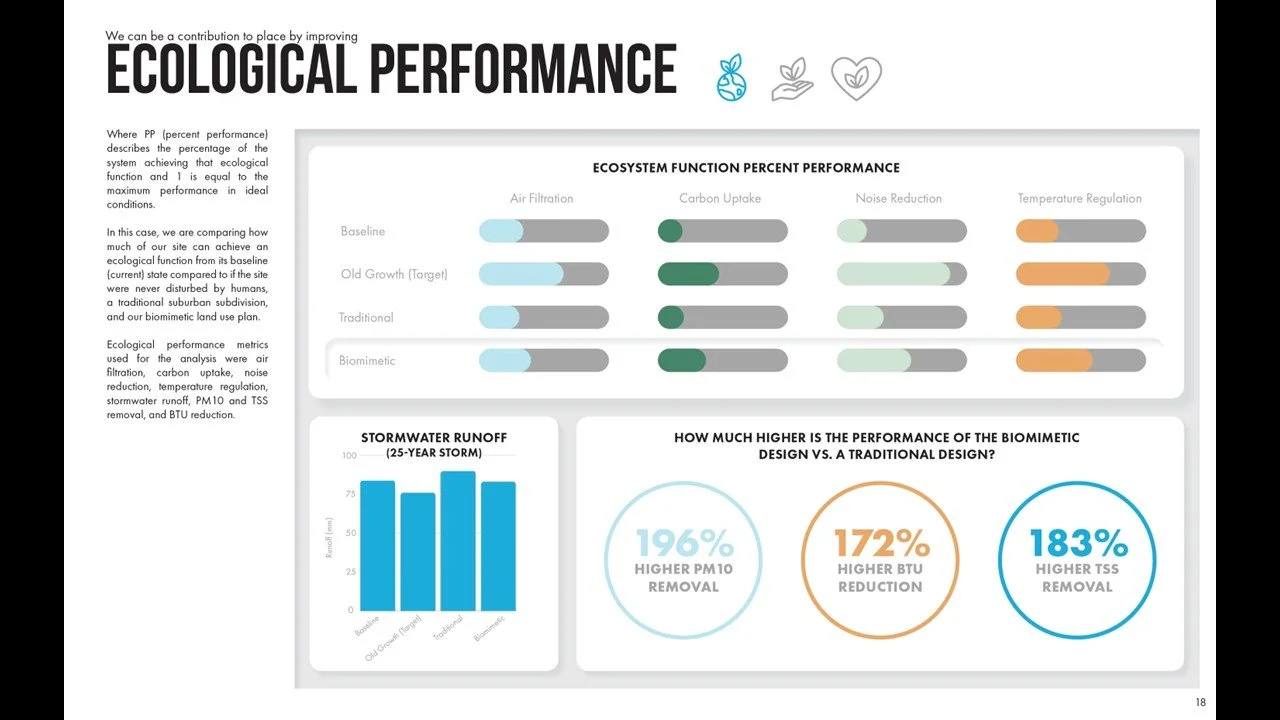
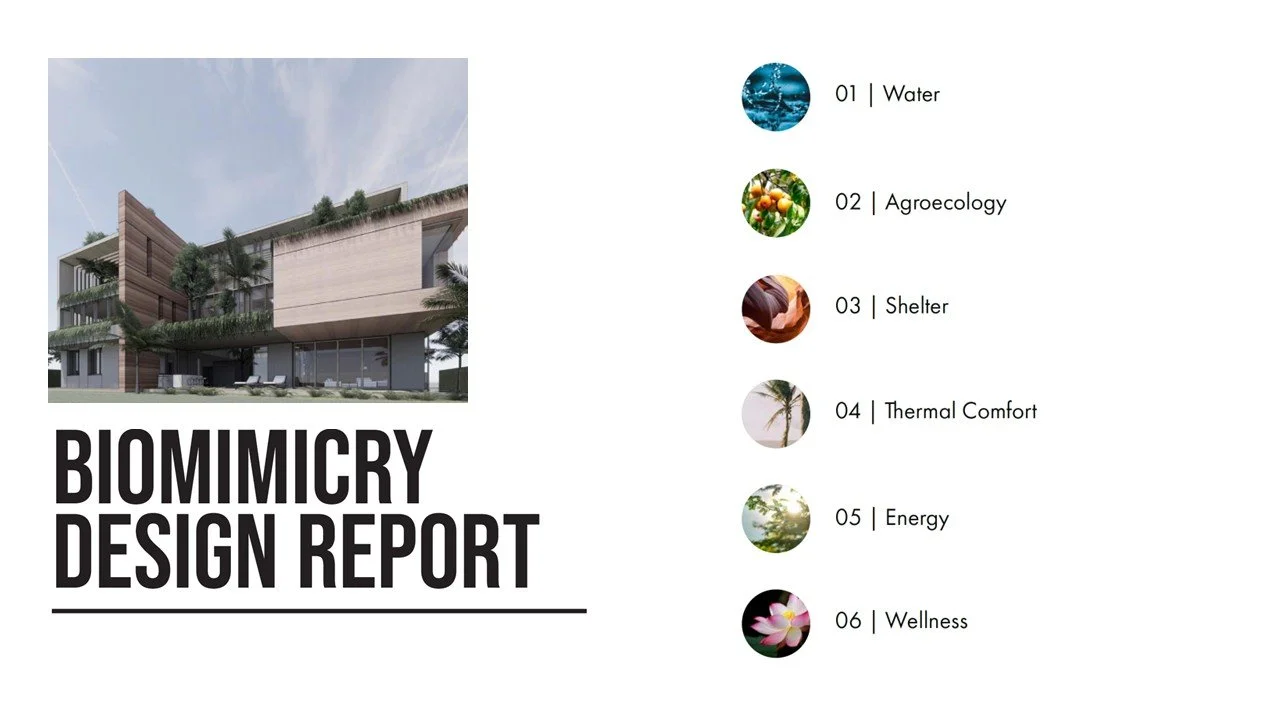
In our process, we built out biomimicry strategies for six key focus areas, providing engineering, material selection, and planting strategy for each. This comprehensive document include the world’s first “biomimicry building standard” - a report card on how “biomimetic” this building was.