

Dancing with the Land
The biggest mistake in urban design?
Thinking the land needs our ideas more than we need its wisdom.
We keep trying to design places without ever understanding the places themselves.
Hunnu City in Mongolia gave us the chance to rethink that impulse.
We don’t yet fully know this landscape - and pretending we do is exactly how cities end up fighting the land instead of flourishing with it.
So instead of treating the masterplan as a final answer, we treated it as the beginning of a relationship: a process that listens first, learns continuously, and lets natural systems guide each successive step.
What emerged wasn’t a city imposed on the steppe, but a framework for a city that can grow with it.
If you’re curious what regenerative design could look like when we follow a framework that dances with the land, this is our story.
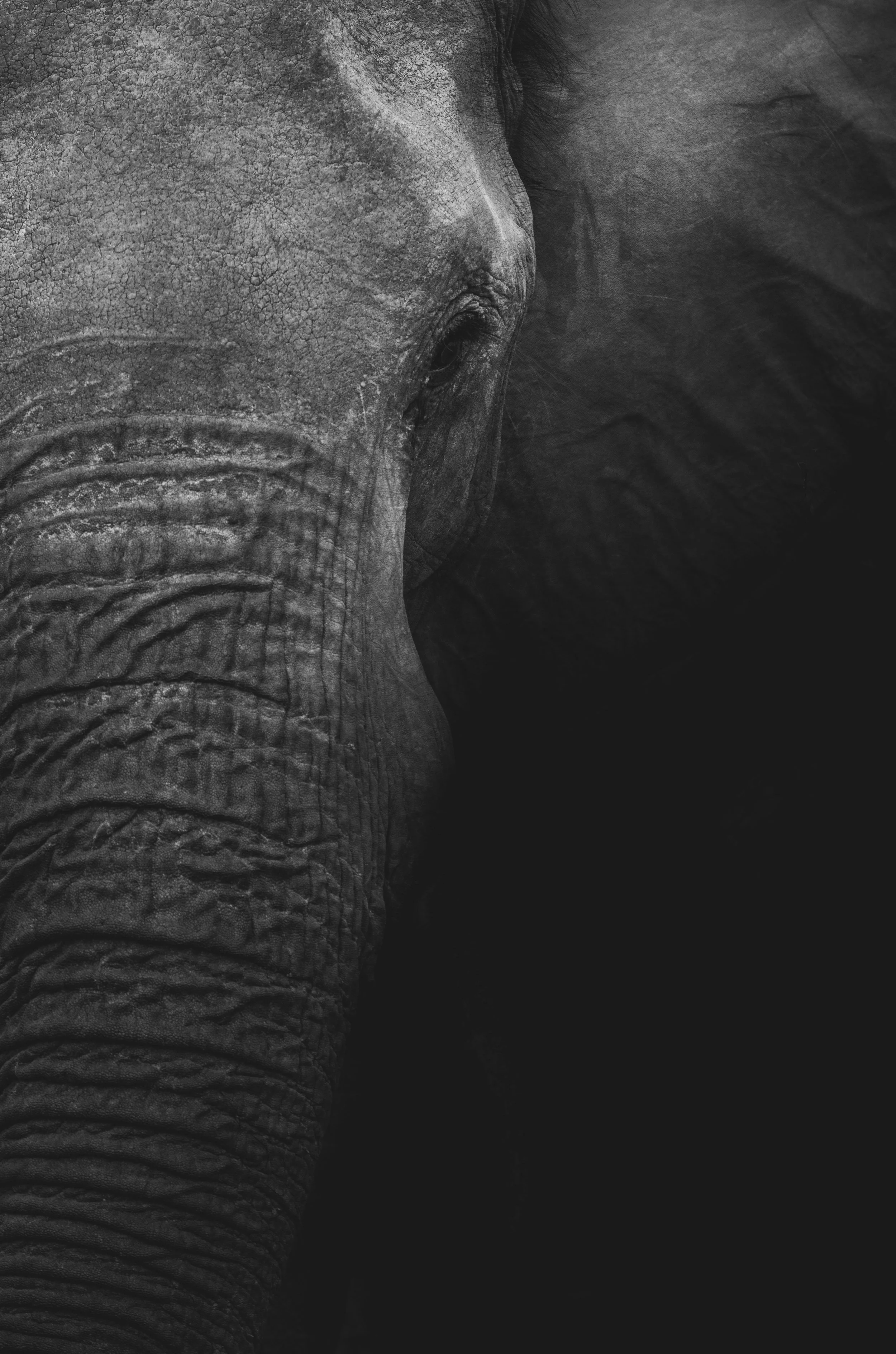
How an Elephant Quietly Rewrote Our Cooling Strategy
I didn’t expect an elephant to change the way we design buildings. But it did.
All it took was changing one question.
And suddenly, the familiar answers weren’t enough.
What followed reshaped how we think about cooling, biomimicry, and the role of imagination in design.
And now, years later, the science is catching up in remarkable ways.
If you’re curious how a speculative idea turned into measurable performance—this one’s worth the read.
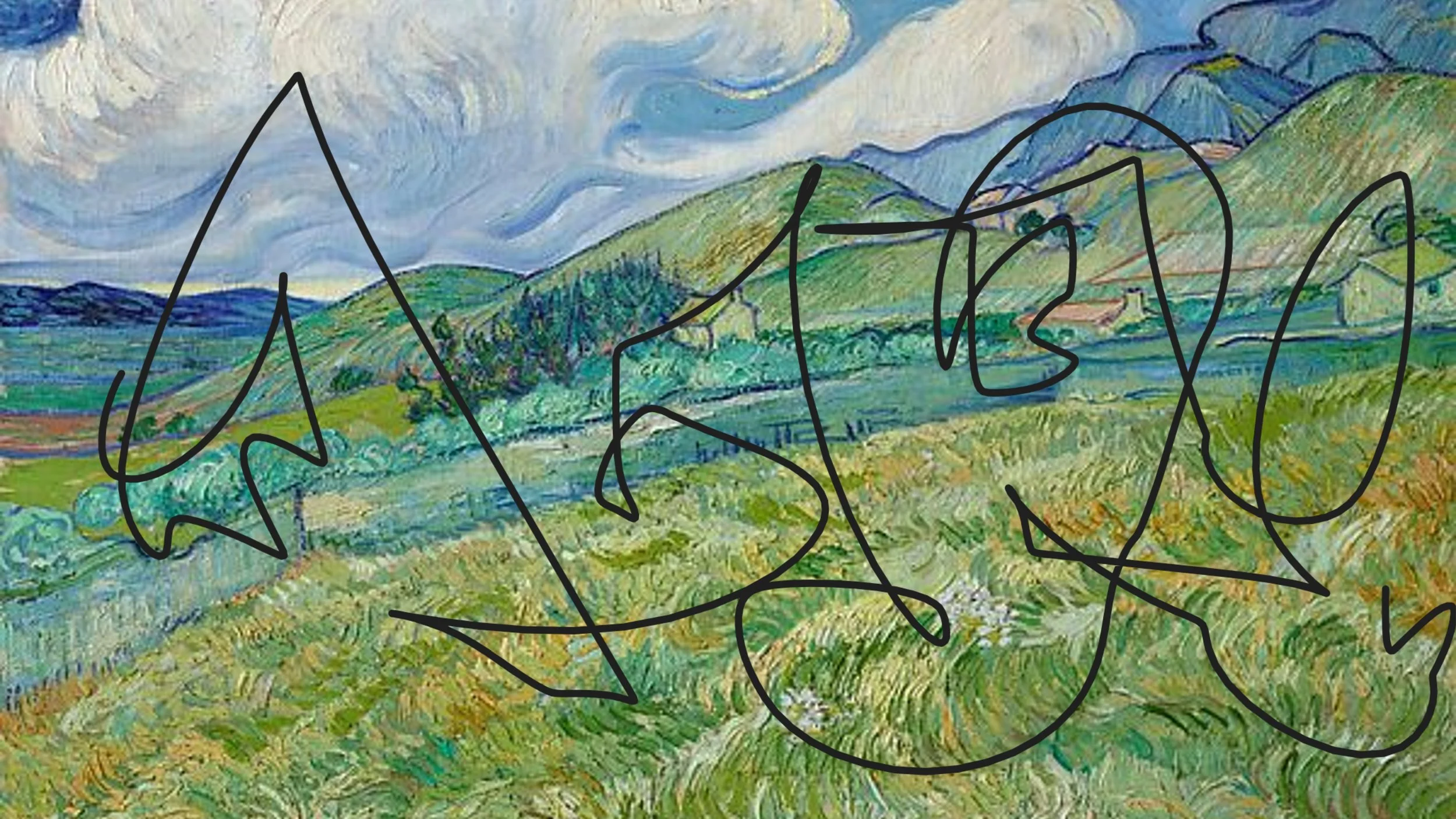
Doodling on the Masterpiece
We thought we were building the masterpiece. Turns out we were just doodling on it.
For decades, our industry has been convinced that we are the creators. That forests, fields, and rivers were blank canvases waiting for our genius. That nature was a constraint to engineer around, resist, avoid, or design after the fact. But the more we learn, the more obvious it becomes:
We haven’t been designing with nature - we’ve been scribbling over her original work without understanding the brushstrokes. And the consequences are everywhere:
• overheated cities
• biodiversity collapse
• flooded neighbourhoods
• communities spiritually disconnected from place

Designing with Context: Biomimicry, Biophilia, and the Eco-Centric Model
Eco-centric design - deciphering how biomimicry and biophilic designs can enhance architecture and the built environment. In this frontier of design thinking, we focus on how context, building, and occupant can become co-creators in a regenerative system.

THE LIVING STORY ™
The Living Story is a unique, holistic, pre-design methodology. It was developed from Jamie Miller’s phd research in systems-level biomimicry and on how to create resilient and regenerative designs. This outlines the basic philosophy of the Living Story through practical applications.

Regenerative Design: Measuring Ecological Performance to Reconnect with Nature
For too long, human design has treated nature as something separate—a canvas to control, manipulate, and dictate rather than a living system we belong to. But what if we designed with the understanding that we are nature? Our breath feeds the trees, our bodies return to nourish the soil, and yet our buildings and cities remain disconnected, consuming resources rather than contributing to the ecosystems they inhabit.

B+H Biomimicry | A TWO YEAR REVIEW
November 30th 2023, marked the second anniversary of B+H Biomimicry. To celebrate, we thought it’d be a good opportunity to reflect on our journey so far by sharing some highlights and painting a picture of our vision for the future.

Taking Cues From Nature in Urban Design
Through the Living Story Methodology, Biomimicry is being integrated into master plans around the world.


Biomimicry house hints at a solution to the climate crisis
As published in Inhabitat on April 12, 2022.

Urban Ecology and Adaptive Habitats
The new age of biology is upon us and it is radically transforming the way we think, behave, and create.

Dance with Nature, but Let Nature Lead
A Living Story Site Assessment at Métis Crossing - uncovering what is here, what the land wants to do, and what it will support us in doing in order to create a more harmonious, and therefore more resilient and cost-effective design strategy.

Proudly Announcing our Partnership with B+H Architects
Biomimicry Frontiers proudly partners with the global design group, B+H Architects, growing the firm’s Global Sustainability + Resilience Platform