

Dancing with the Land
The biggest mistake in urban design?
Thinking the land needs our ideas more than we need its wisdom.
We keep trying to design places without ever understanding the places themselves.
Hunnu City in Mongolia gave us the chance to rethink that impulse.
We don’t yet fully know this landscape - and pretending we do is exactly how cities end up fighting the land instead of flourishing with it.
So instead of treating the masterplan as a final answer, we treated it as the beginning of a relationship: a process that listens first, learns continuously, and lets natural systems guide each successive step.
What emerged wasn’t a city imposed on the steppe, but a framework for a city that can grow with it.
If you’re curious what regenerative design could look like when we follow a framework that dances with the land, this is our story.
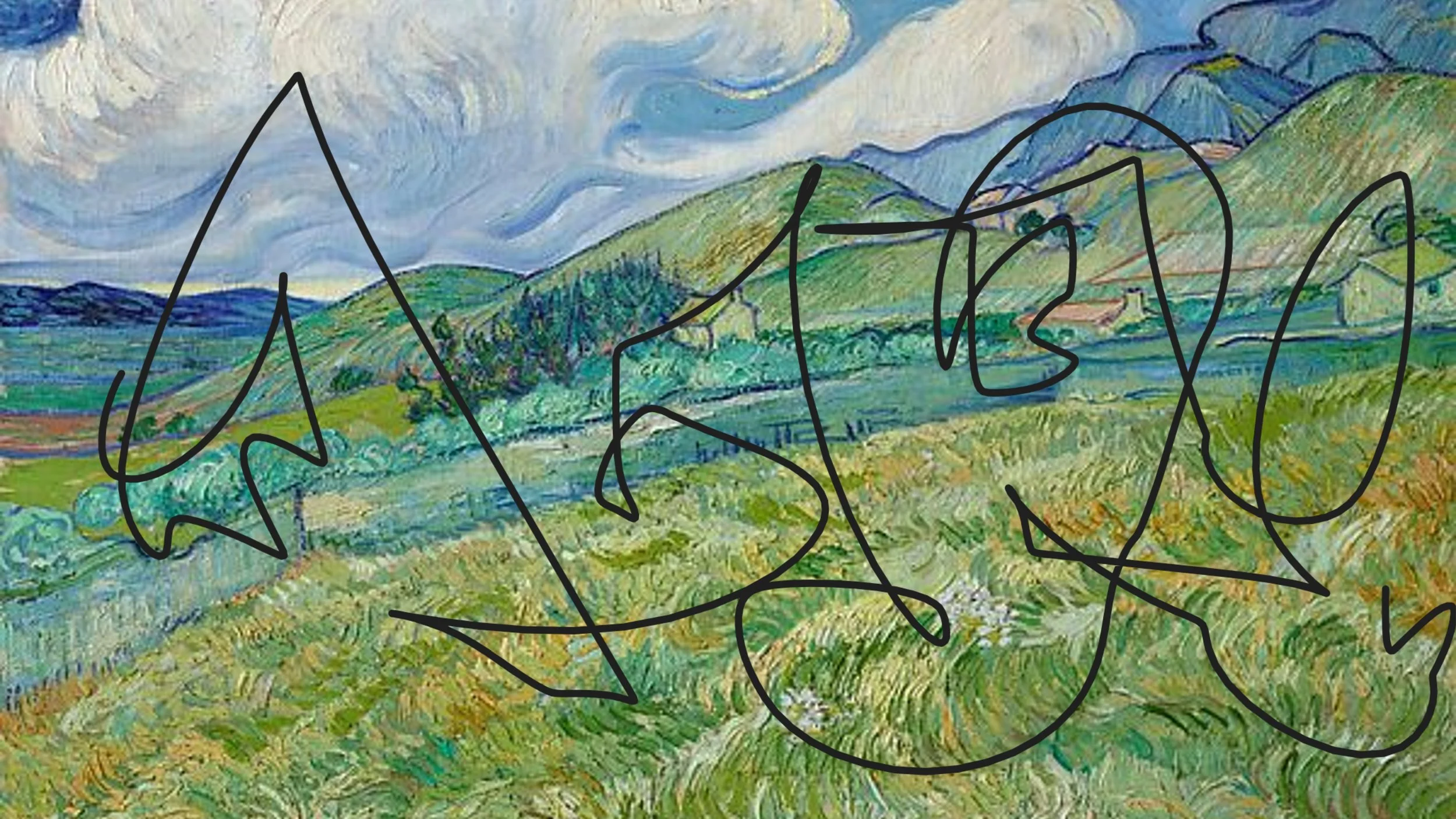
Doodling on the Masterpiece
We thought we were building the masterpiece. Turns out we were just doodling on it.
For decades, our industry has been convinced that we are the creators. That forests, fields, and rivers were blank canvases waiting for our genius. That nature was a constraint to engineer around, resist, avoid, or design after the fact. But the more we learn, the more obvious it becomes:
We haven’t been designing with nature - we’ve been scribbling over her original work without understanding the brushstrokes. And the consequences are everywhere:
• overheated cities
• biodiversity collapse
• flooded neighbourhoods
• communities spiritually disconnected from place

B+H Biomimicry | A TWO YEAR REVIEW
November 30th 2023, marked the second anniversary of B+H Biomimicry. To celebrate, we thought it’d be a good opportunity to reflect on our journey so far by sharing some highlights and painting a picture of our vision for the future.

Urban Ecology and Adaptive Habitats
The new age of biology is upon us and it is radically transforming the way we think, behave, and create.

Job opportunity for the Coordinator of the Biomimicry Commons - be a part of a new frontier
Help execute and manage the Biomimicry Commons - a “world-changing idea”. Help sustainable leaders tap into the genius of nature to transform the way we think, behave and create, in a way that is in harmony with nature.
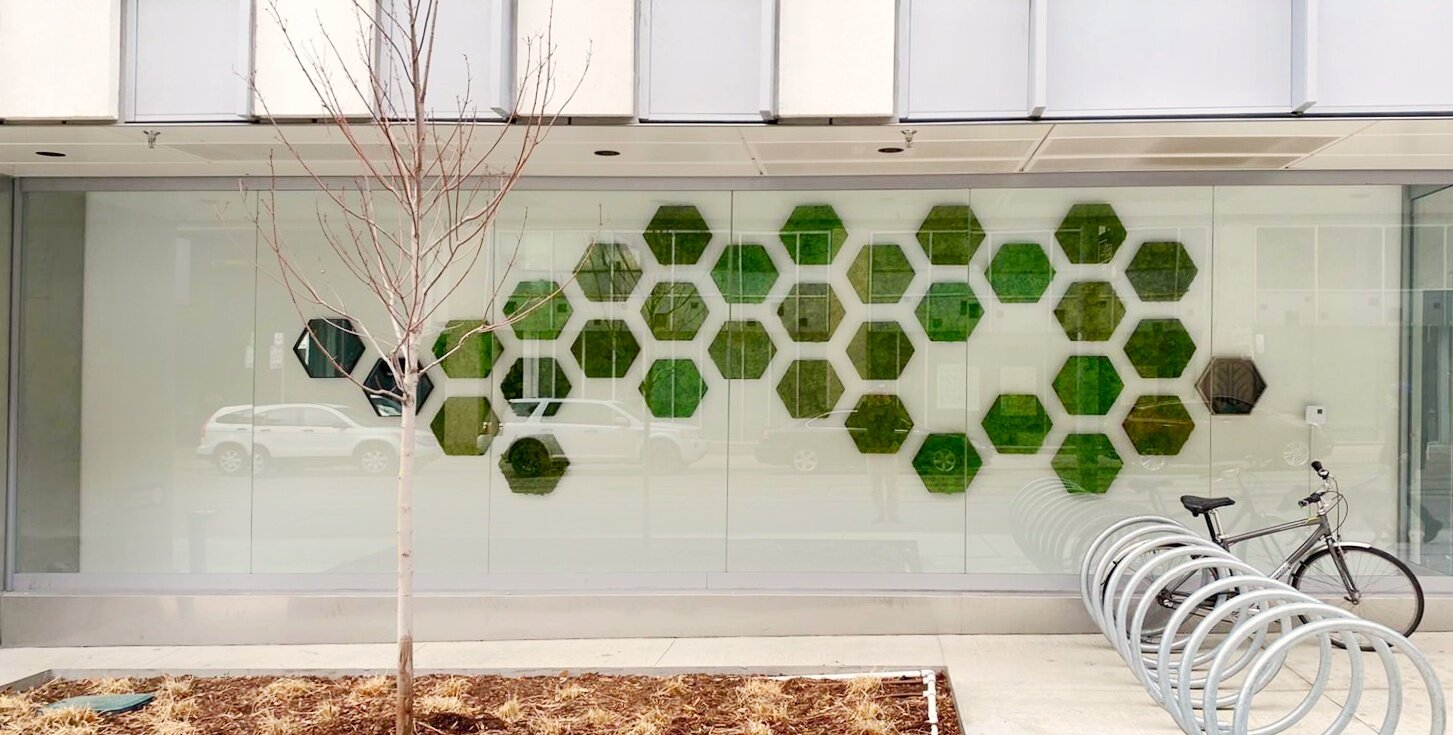
The Fibonacci sequence in the heart of the city and an opportunity to work with us
Biomimicry was a part of the design concept from the very beginning. In collaboration with OCAD students, we reimagined the FORM building using our Design Fiction methodology. As part of this process, students created various designs ranging from an air-filtering building facade inspired by the lungless salamander and the sea sponge to heat loss detection and response system inspired by the human blood vessel and wood frogs.
