AN INDIGENOUS-LED ECONOMIC RESILIENCE CENTER
Location: Kapa’a, Kaua’i
Size: 20,000 ft2 facility
Client: Kaua’i Federal Credit Union
Service: Living Story, Indigenous Engagement, Visioning, Landscape Architecture, Architecture, Programming
Designers: Noho Workshop Architects, Kauai Civil Landscape Architects, Lever Architecture
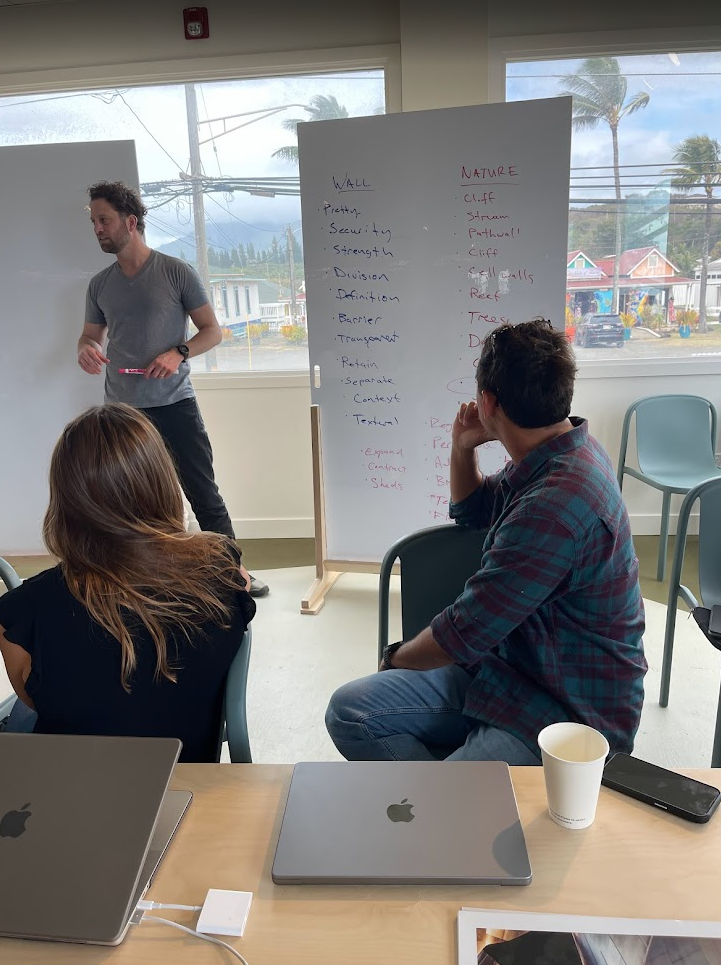
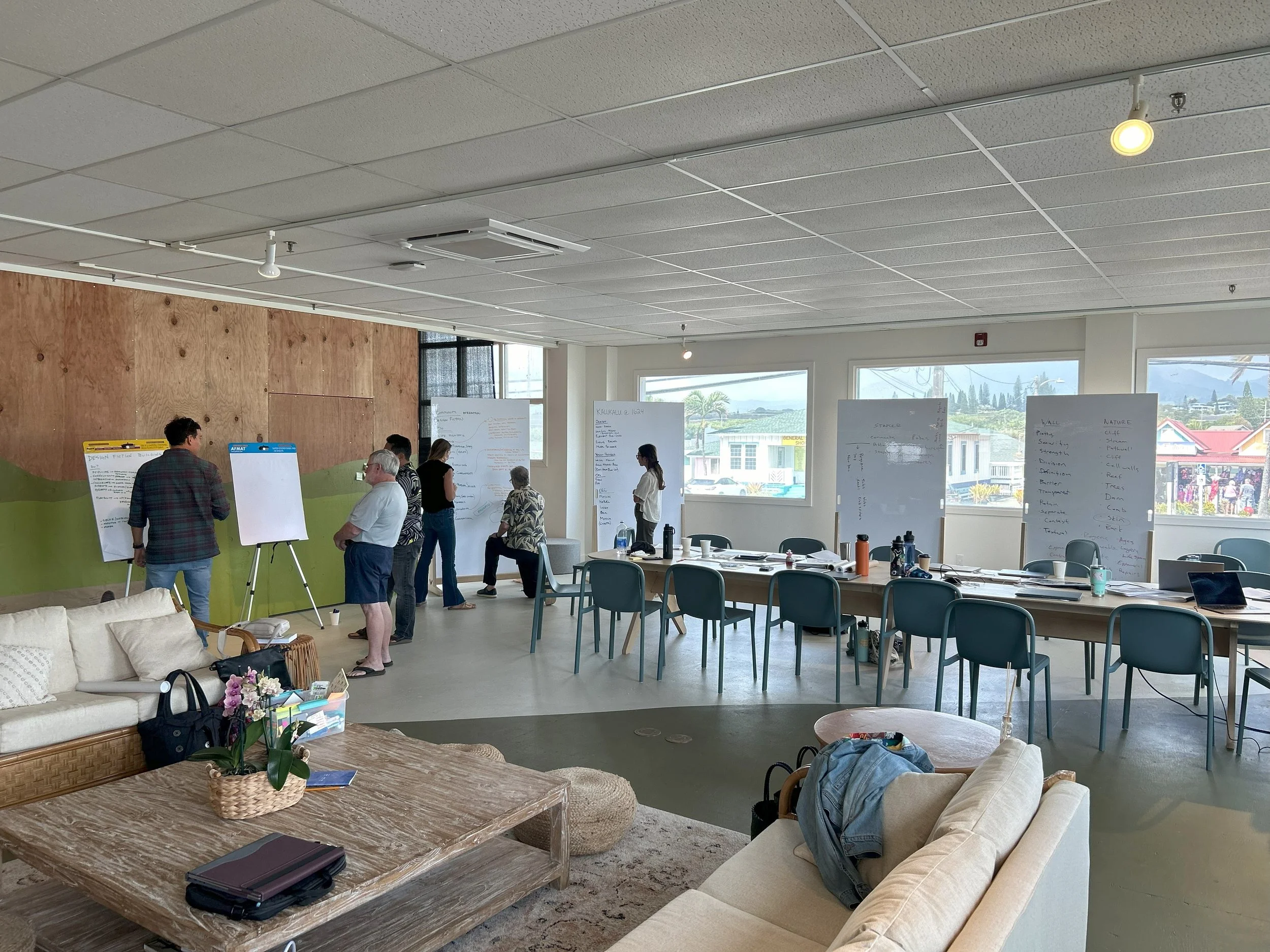
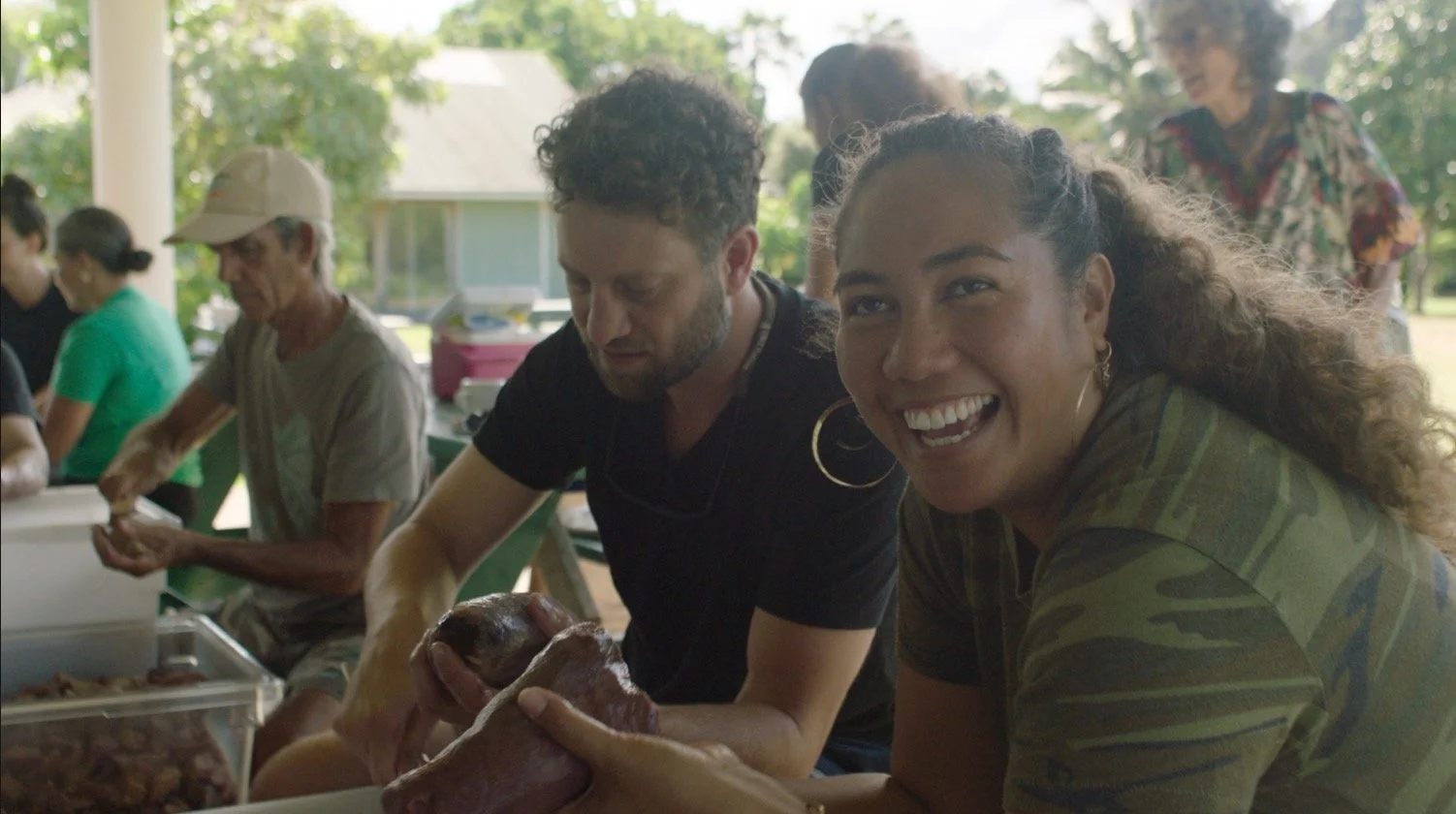
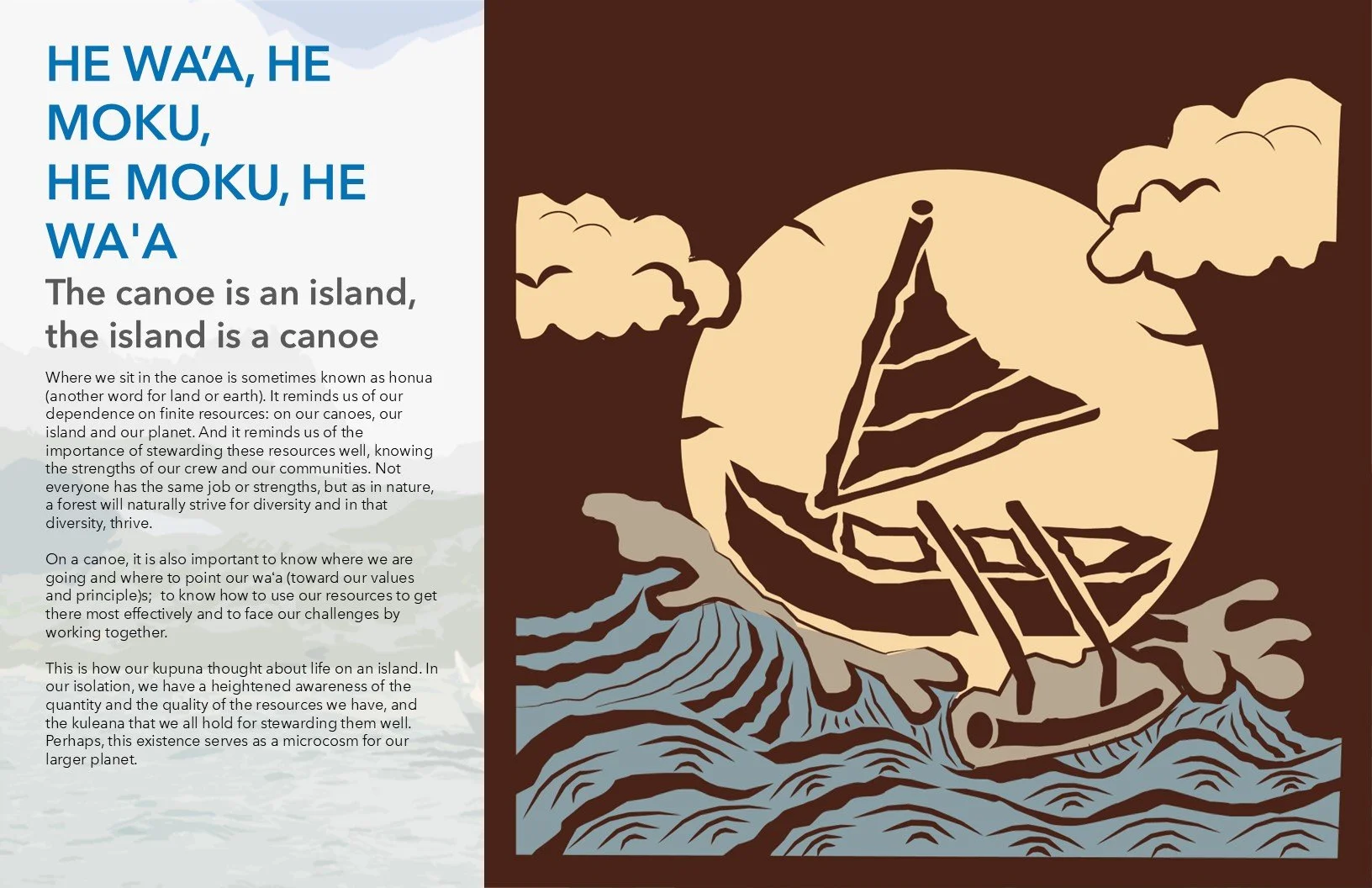
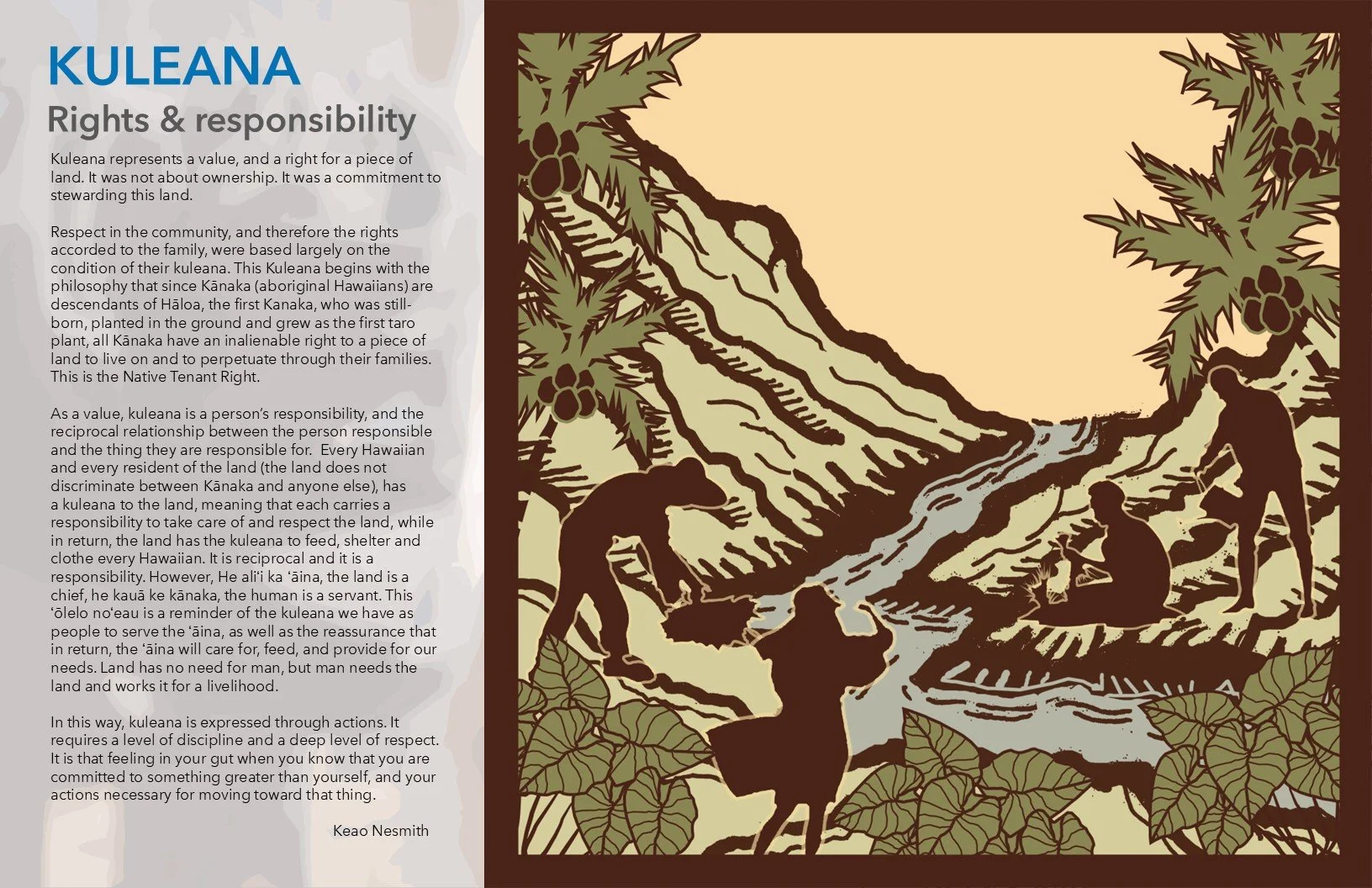
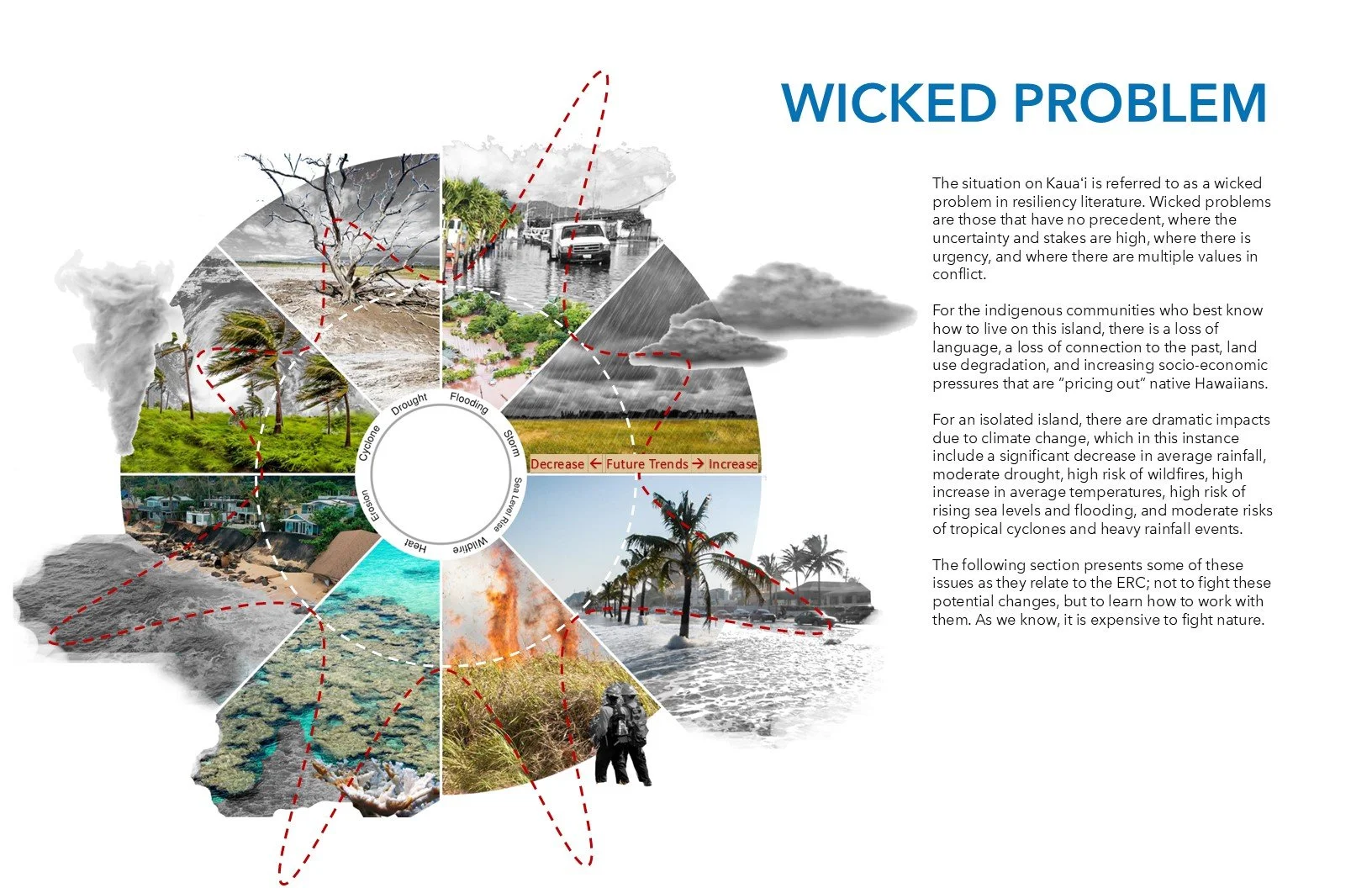
In 2023, Kaua’i Federal Credit Union partnered with B+H Biomimicry to repurpose a 20,000 ft furniture building into an economic resilience center, and establish a new economic model on Kaua’i. To know how to design with a place, it was important to engage those who have the longest and most intimate relationship with it. Through deep engagement with Indigenous leaders, we created a Living Story document, setting out key principles and practices for an Indigenous-led design and program. This informed architecture, landscape architecture, programming, and engineering. In this project, biomimicry acted as a bridge, elevating Traditional Indigenous Knowledge, ensuring their active role in shaping the future of the building, and the island.
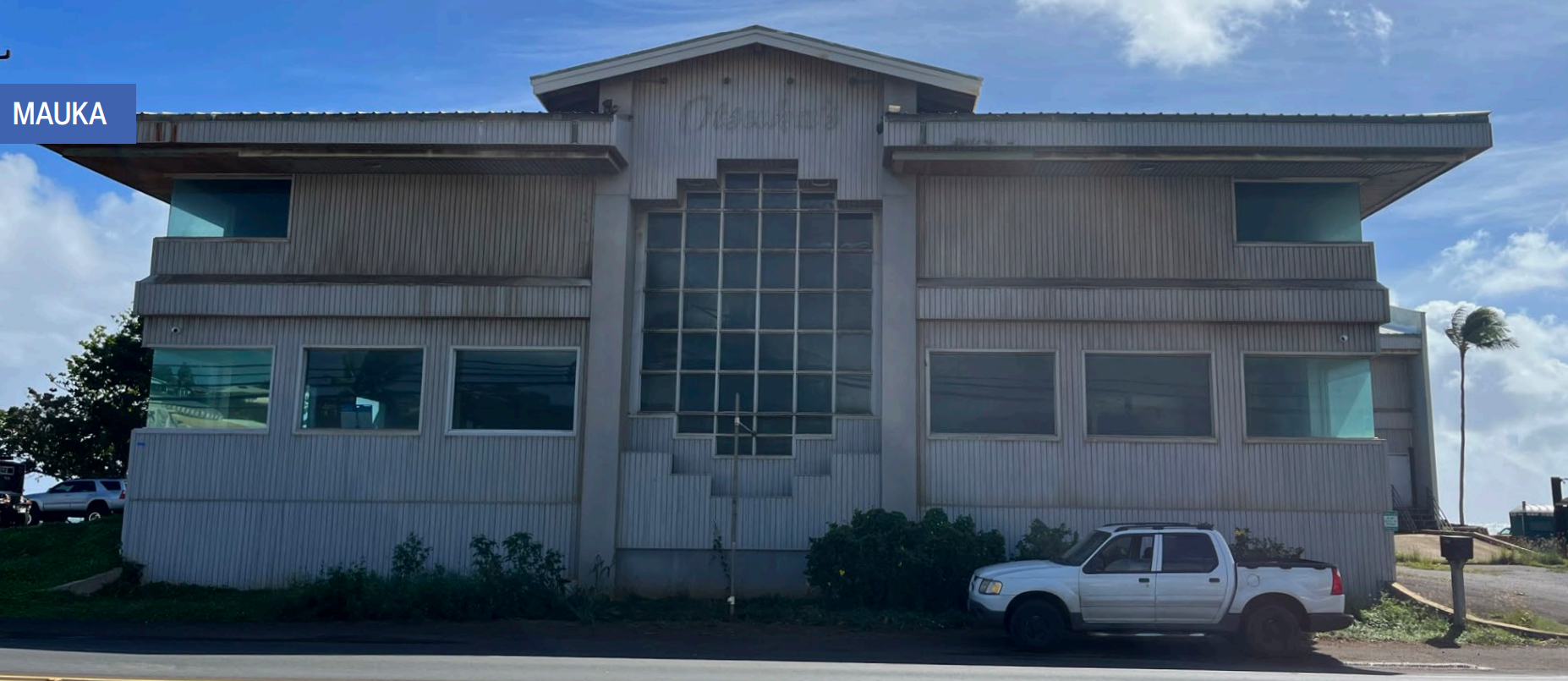
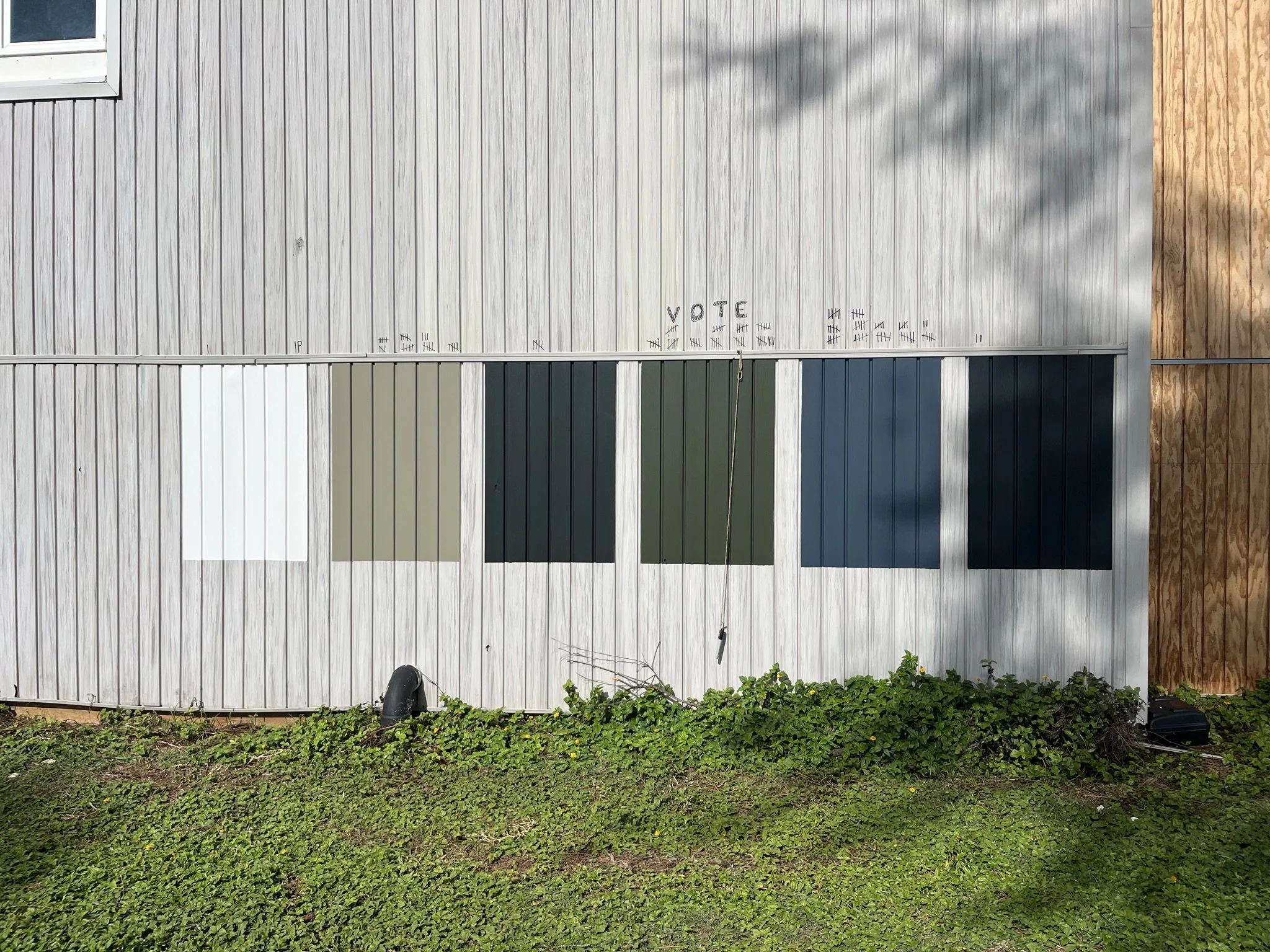
The old “Otsuka” building
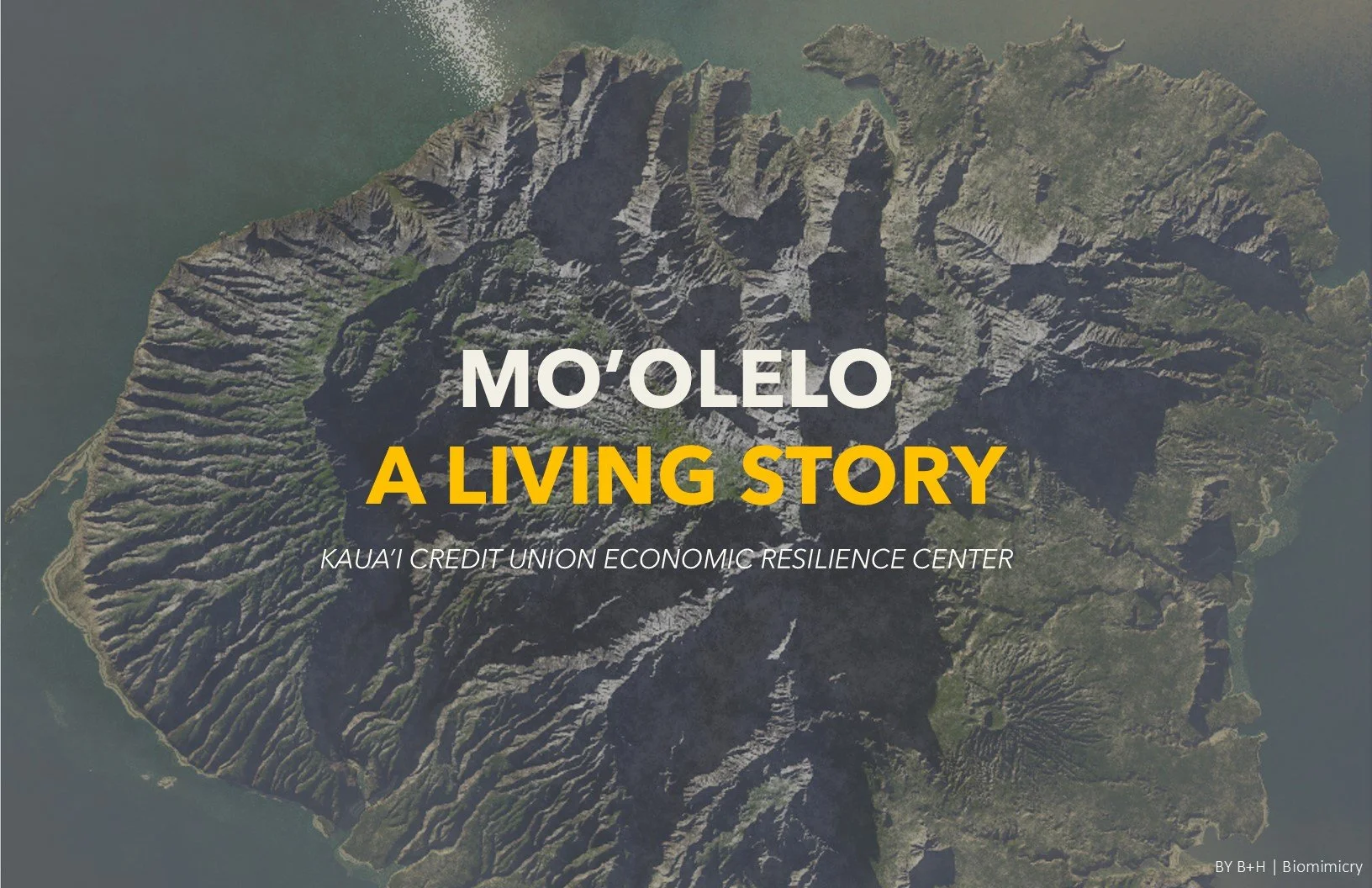
Already Regenerative
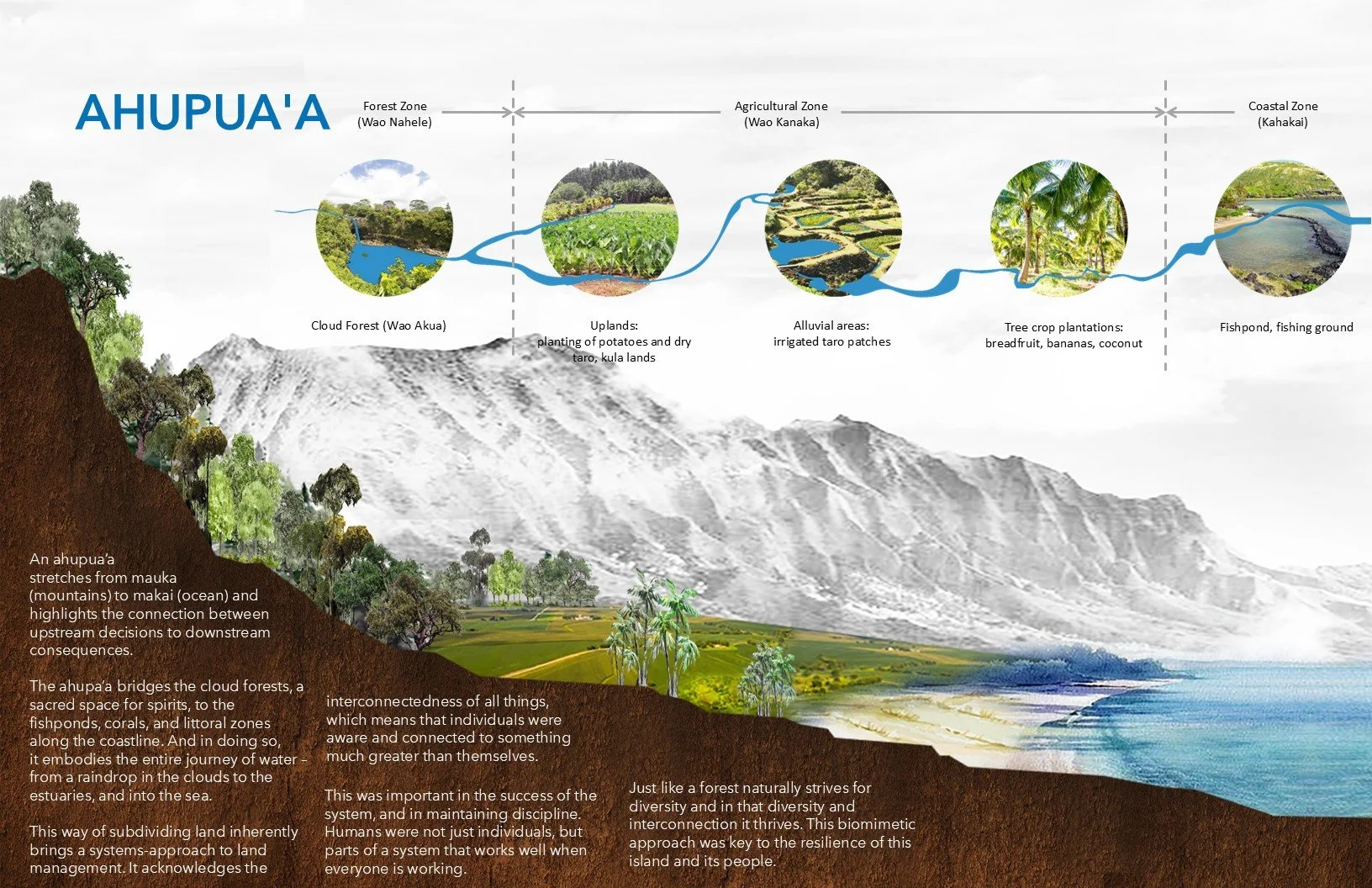
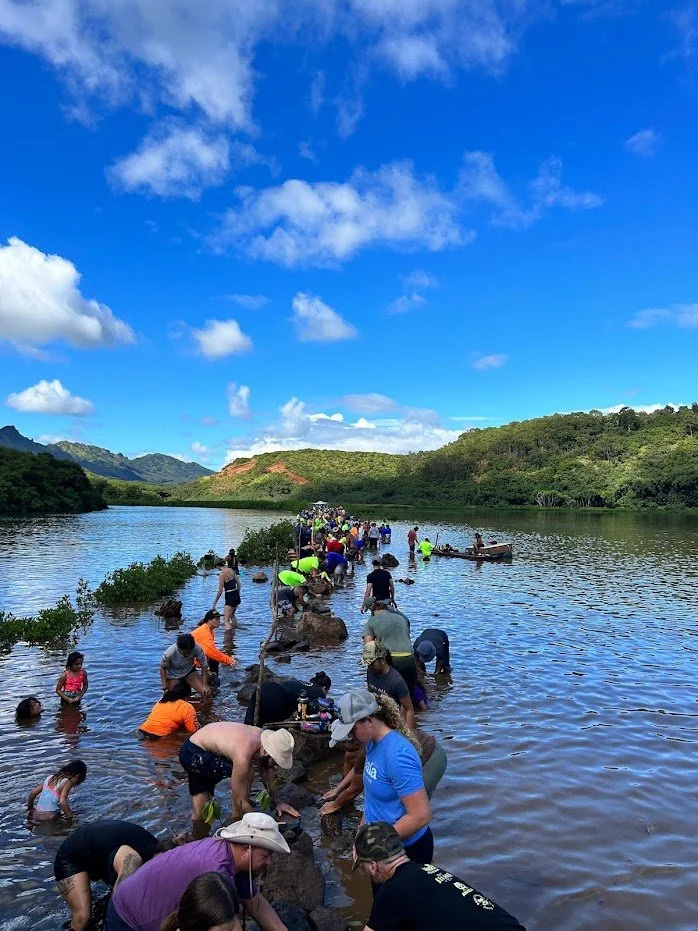
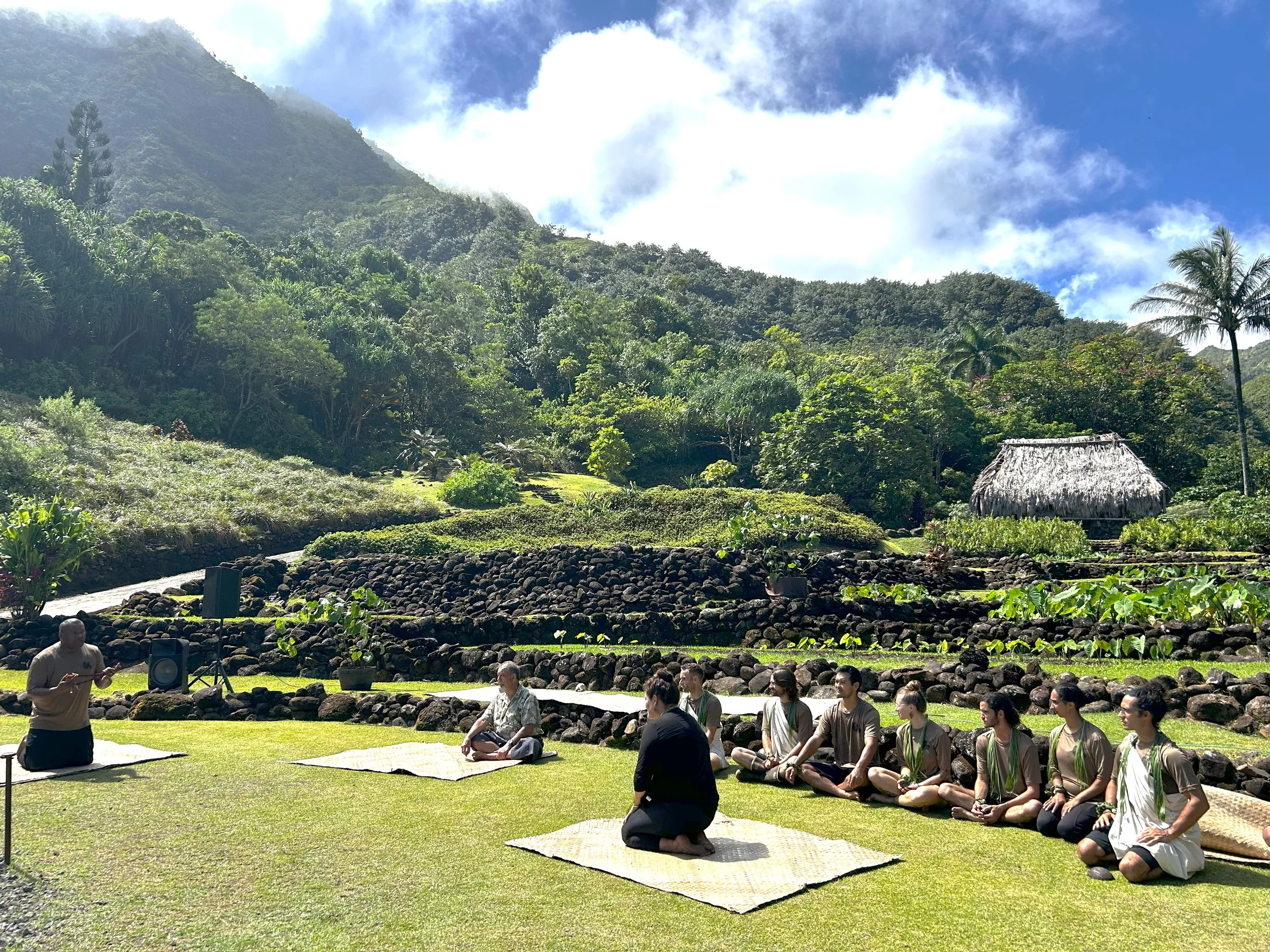
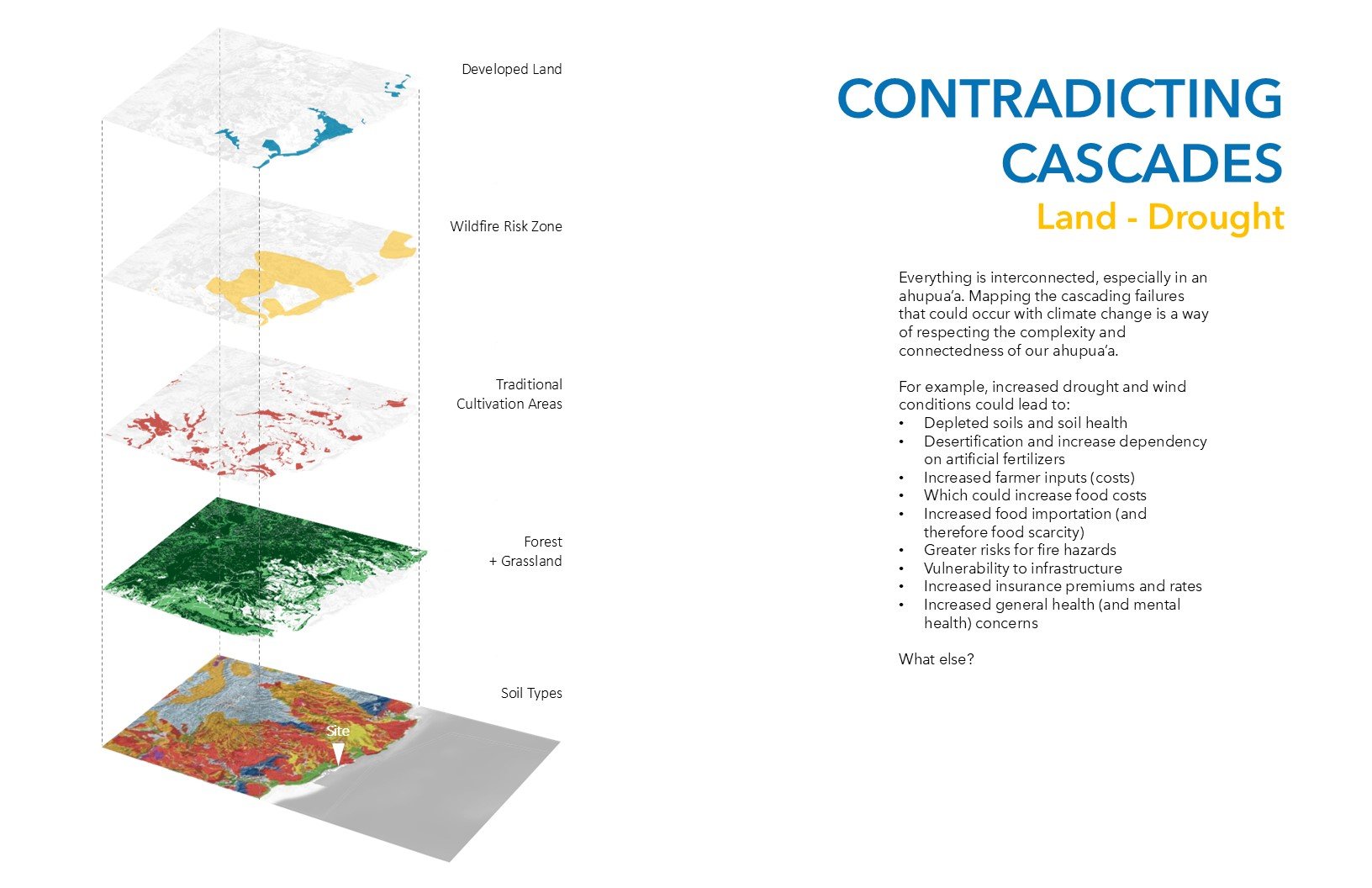
Regenerative has lived here for centuries. Long before we began our Living Story work, the island’s original stewards had already perfected systems that aligned ecology, culture, and economy into a single, interdependent whole. The ahupua‘a system organized land and water from mountain to sea, ensuring that every community lived within the natural carrying capacity of its watershed. Places like the Alakoko Fishpond—an engineering masterpiece built over 600 years ago—demonstrate an intimate understanding of hydrology, species cycles, and long-term food resilience. Across the island, traditional practices, place names, and stories encode generations of ecological observation and adaptive management.
In our process, we listened to Kaua’i through active engagement, rebuilding the Fishpond, experiencing the ahupua’a from “mauka” to “makai” - mountainside to seaside. These Indigenous ways of knowing were not “inspirations”—they were reminders. Reminders that regenerative design is not new here; it is ancestral. Our role was simply to hear it, honour it, and help bring its intelligence back into the work.
A LIVING STORY
Learning from those who have had the longest relationship with place.



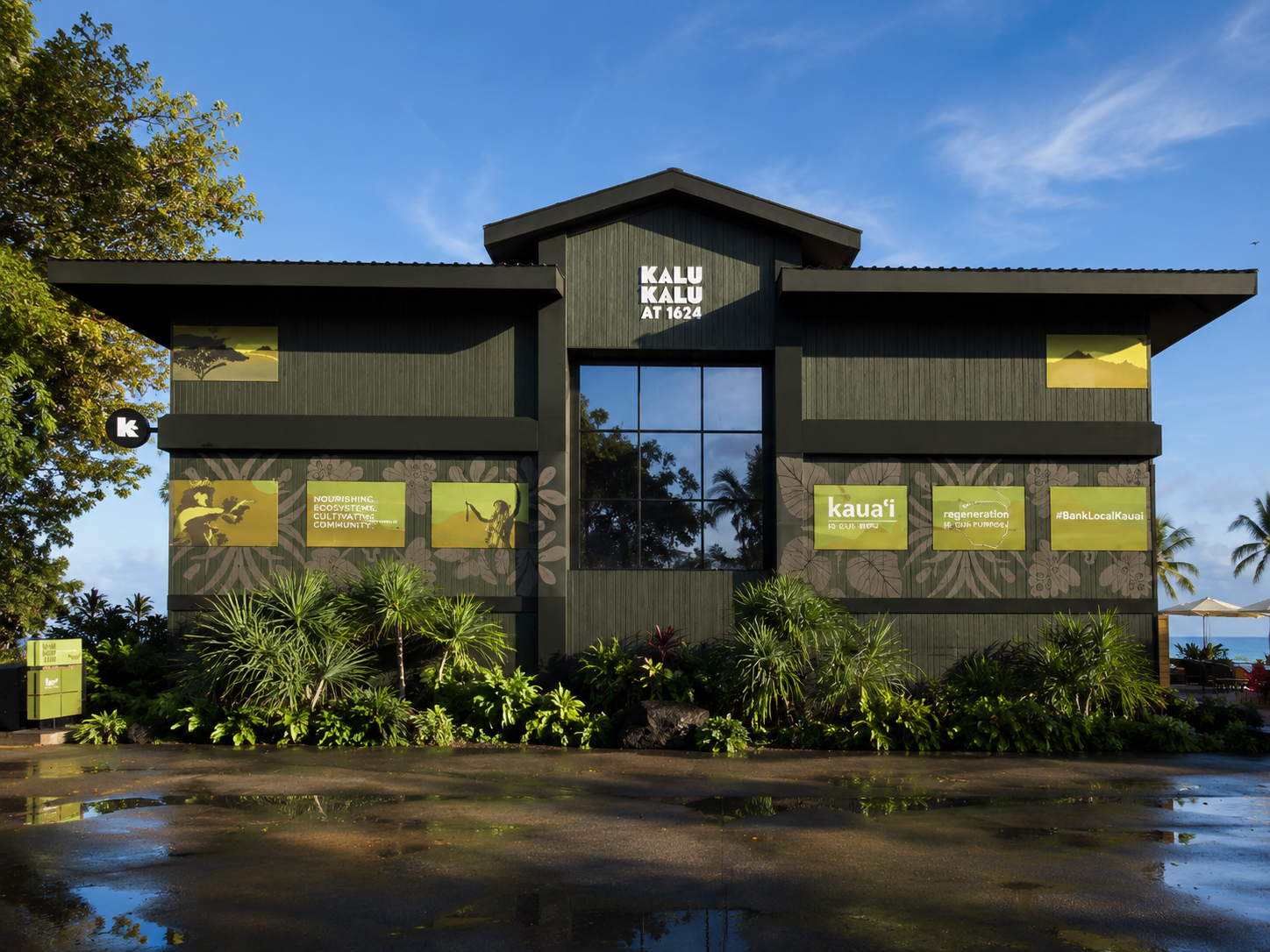
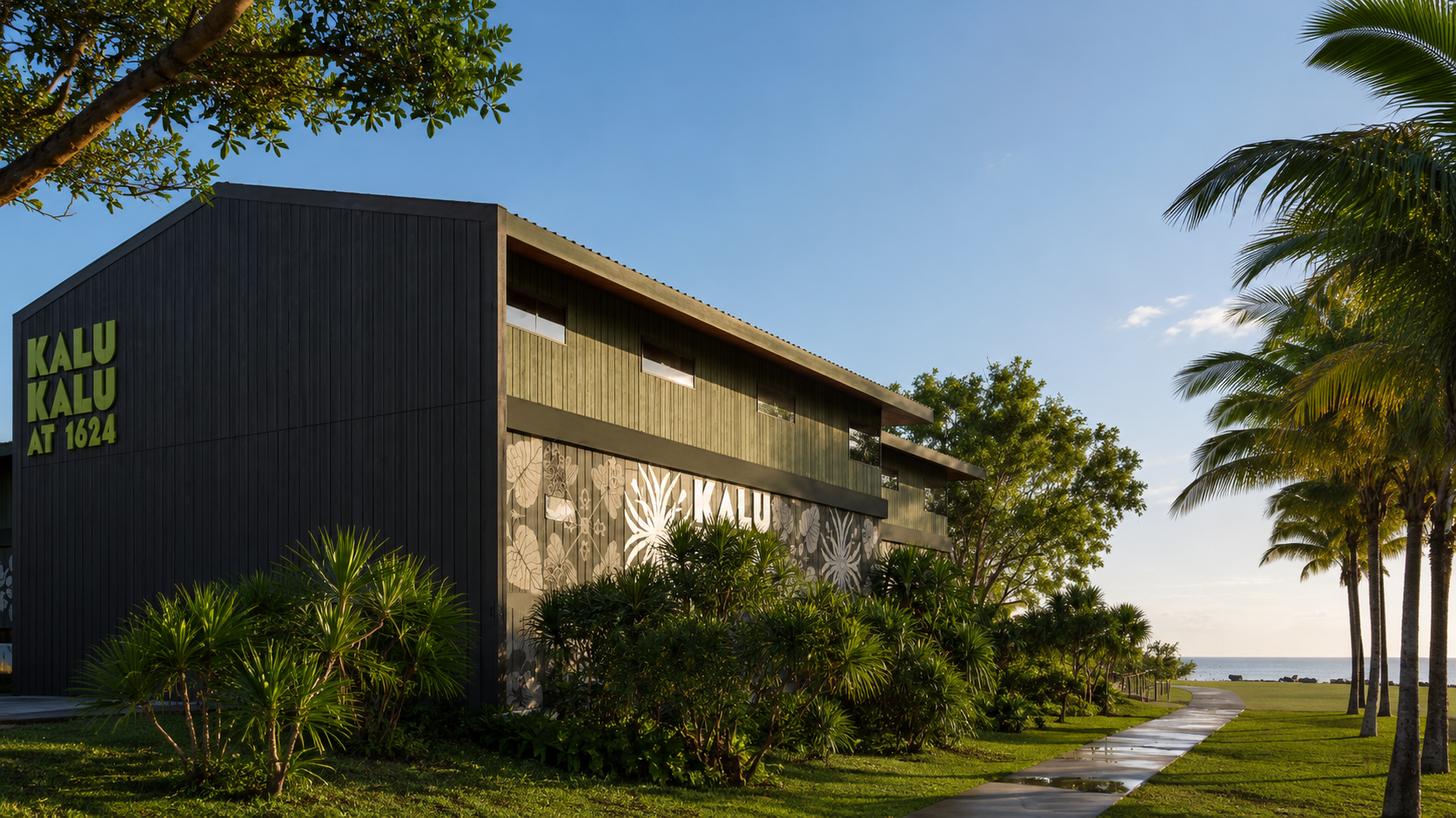
Kalukalu @ 1624
The most sustainable building is the one that already exists. Applying regenerative principles across our entire practice, we used our Living Story process to help transform the old Otsuka Furniture building into Kalukalu @ 1624, a new economic resilience center in the heart of Kapa‘a. Through this building, we aim to help regenerate an economy that once enabled Hawaiians to thrive on a volcanic island in the middle of the Pacific. And in doing so, we hope to support the regeneration of a culture that can teach the world what it means to live as a contributing species—one that gives back more than it takes—here on Kaua‘i and far beyond.