Community & Indigenous Co-creation
Engagement, Consultation, and Collaboration
We are here to help you tell your own story.
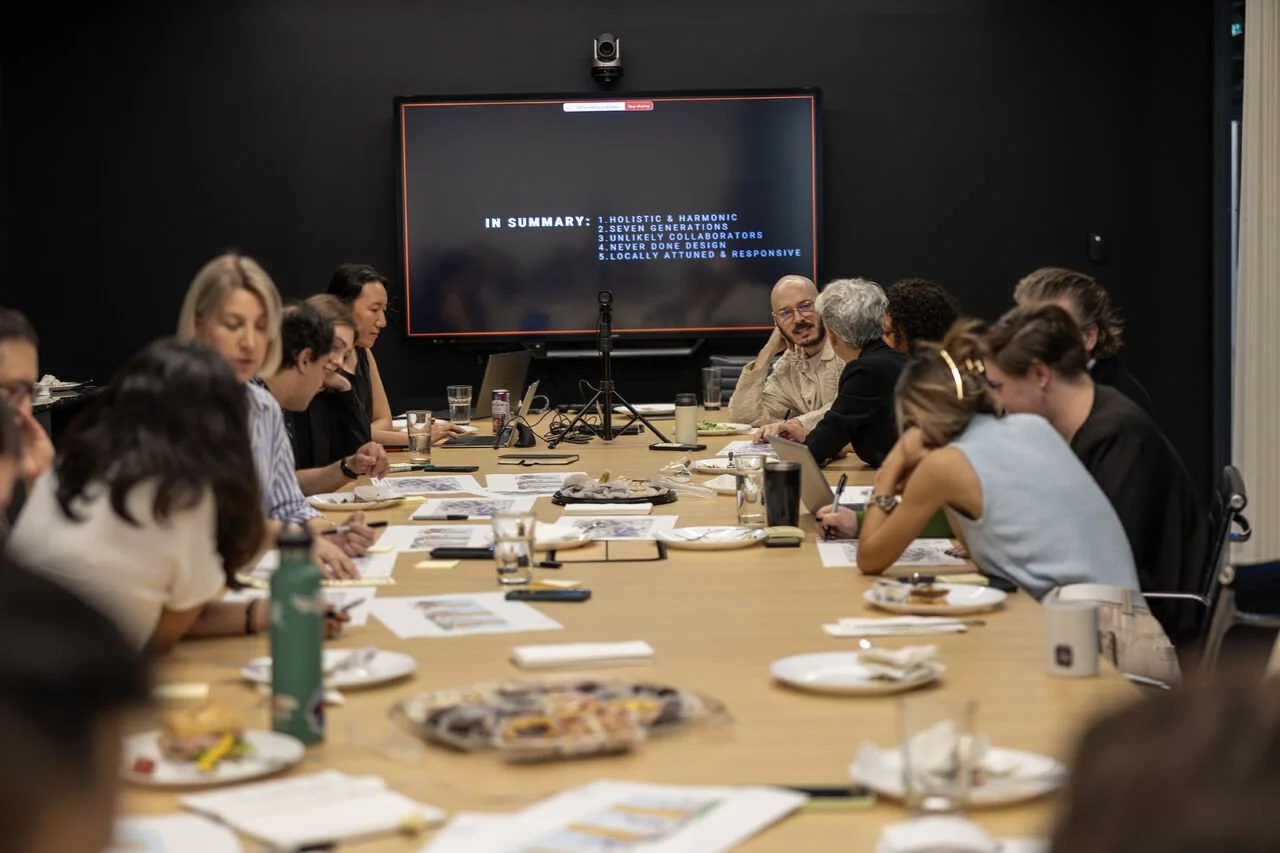
Our team represents a unique blend of engagement, sustainability, and technical experts, who together have led sustainability and climate adaptation plans across a range of scales and contexts - from small municipalities navigating dynamic changes to remote Indigenous gathering places building long-term resilience. What connects these projects is a consistent approach: deep community engagement with world-class technical capabilities, layered on top of a deep knowledge and experience of sustainable planning.
A lot of our work is with Indigenous communities, where we find a unique connection between biomimicry/regenerative thinking and Indigenous ways of Knowing. This has led us to work with communities like Chippewas of Nawash, Six Nations, Algonquins of Ontario, Snoqualmie, and other Cree, Anishinaabe, Haudenosaunee, Inuit and Métis across Turtle Island.
Further north, we have developed deep relationships working with Peguis First Nation, Wabaseemoong Independent Nations, James Smith Cree Nation, and Shoal Lake 40, across a range of projects.
Indigenous Consultation
One of the key assets of the Living Story and our biomimetic approach is that it has provided a powerful bridge with Indigenous communities. To better understand the land we are working with and how we can best relate to it for long-term sustainability and climate adaptation, we elevate the voices of Indigenous People - i.e. those with the longest relationship to the place.
Our approach to Indigenous engagement is fundamentally built on respect.
Before engaging, we take the time to understand:
•Histories, treaties, and territories
•Community-specific contexts and relationships
•Ongoing initiatives and sensitivities
We avoid generalized, pan-indigenous approaches and recognize that each Nation has its own knowledge, history, and priorities that, out of respect, we should know before we meet.
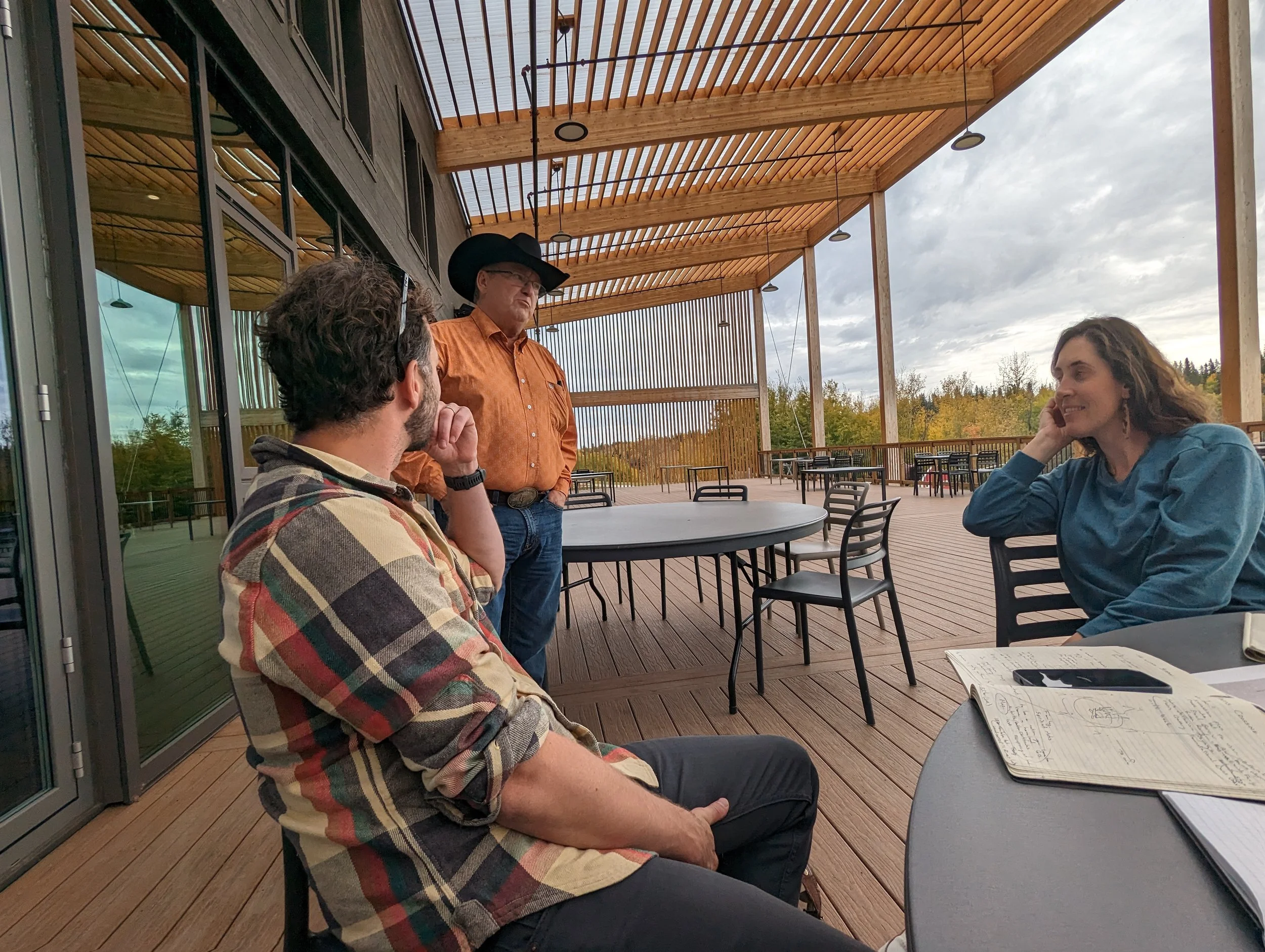
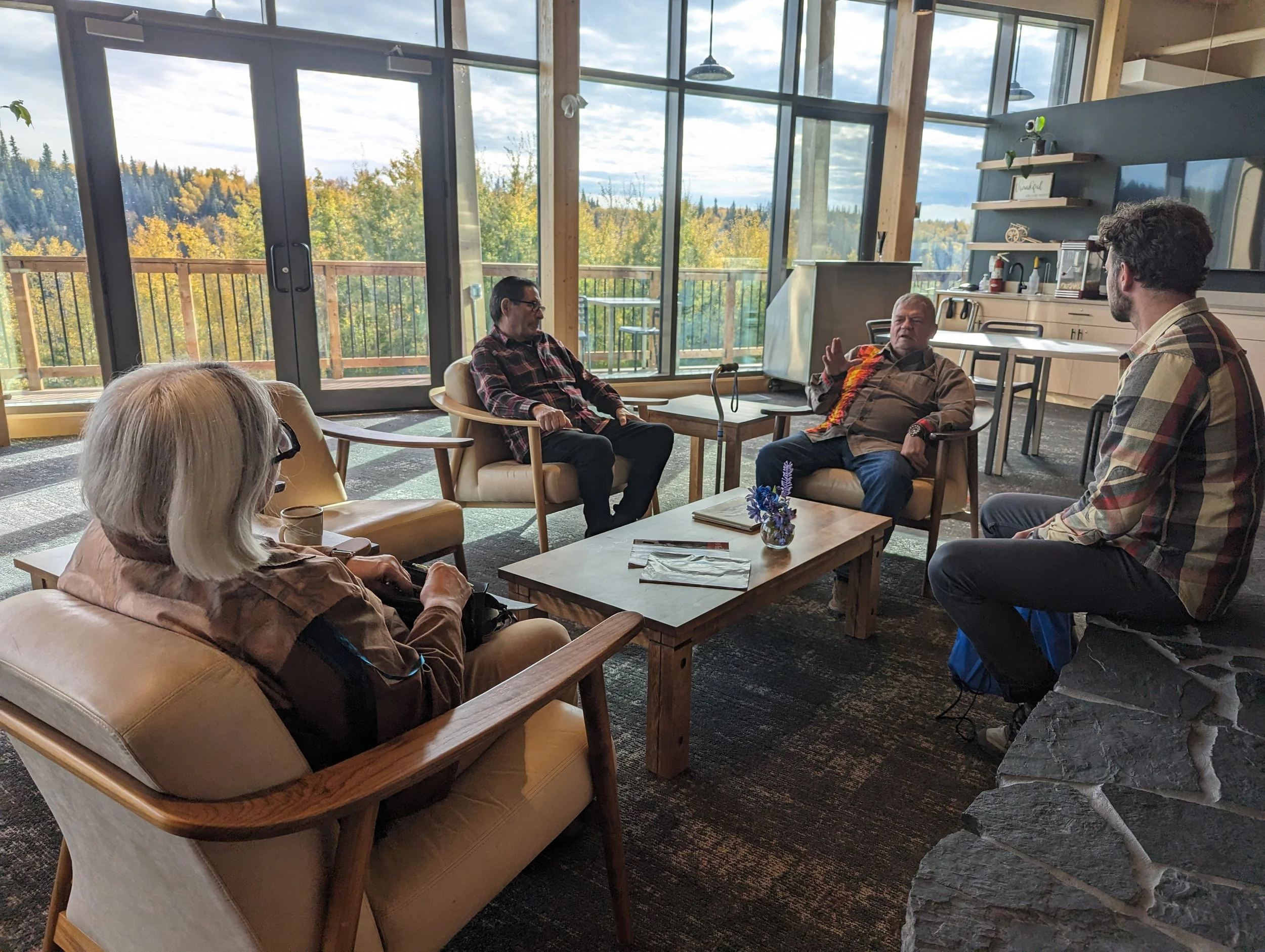
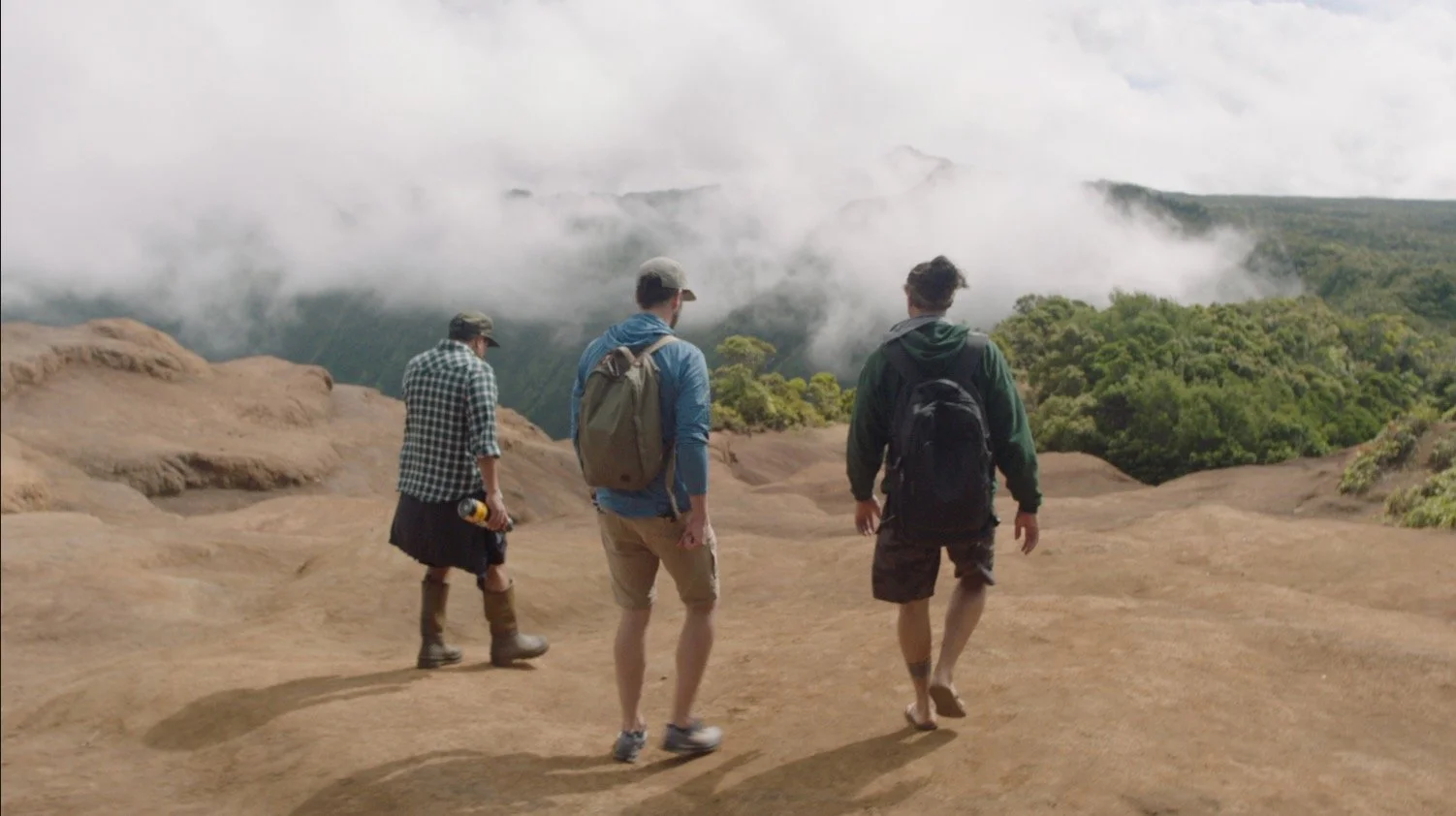
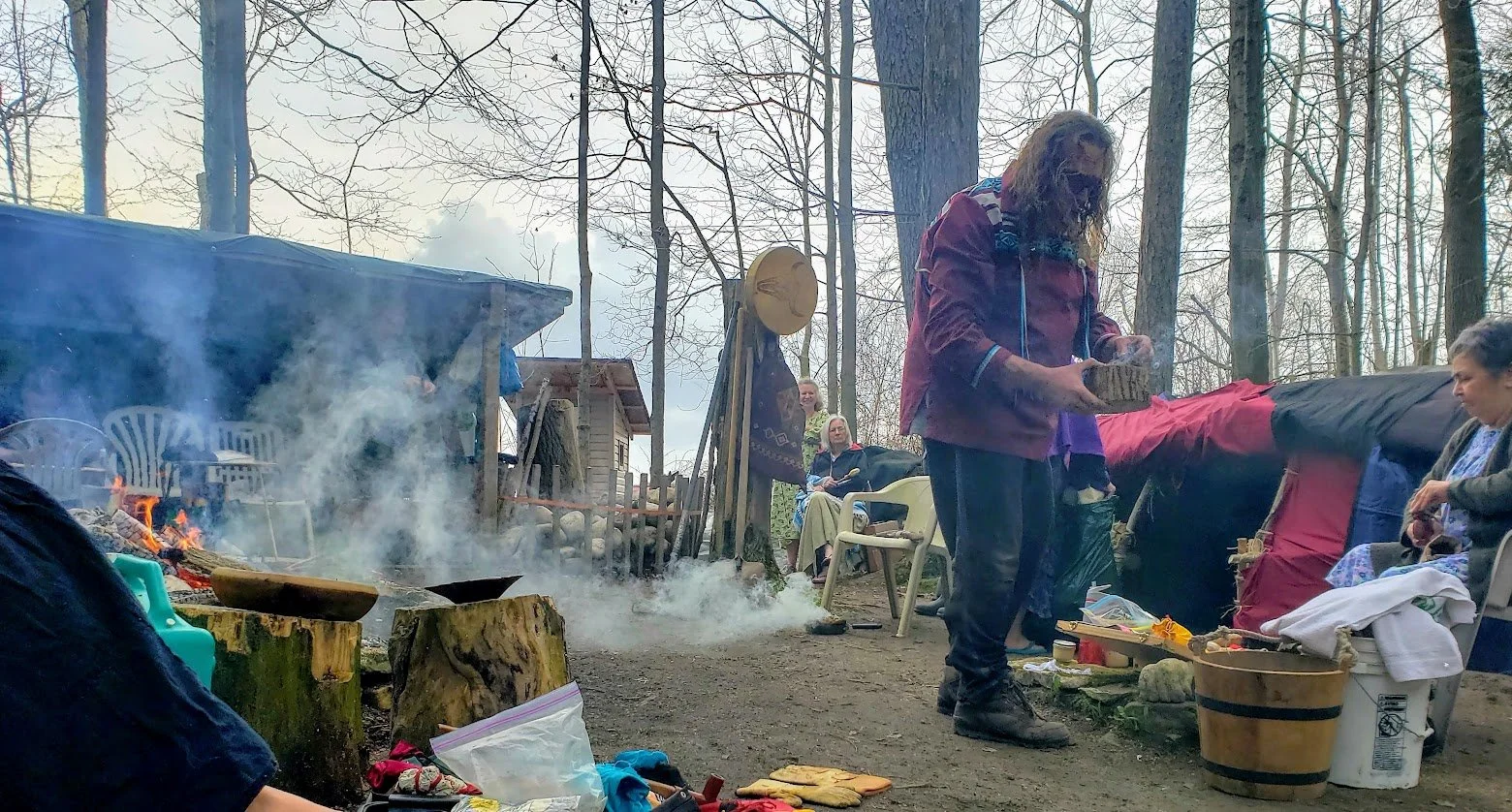
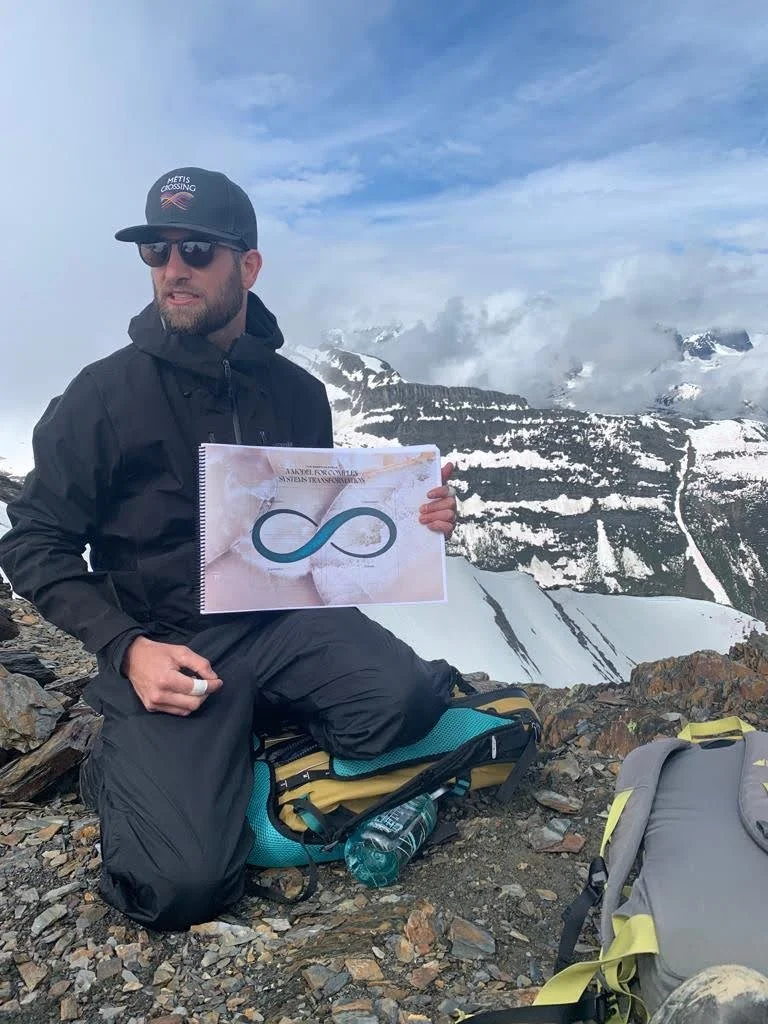
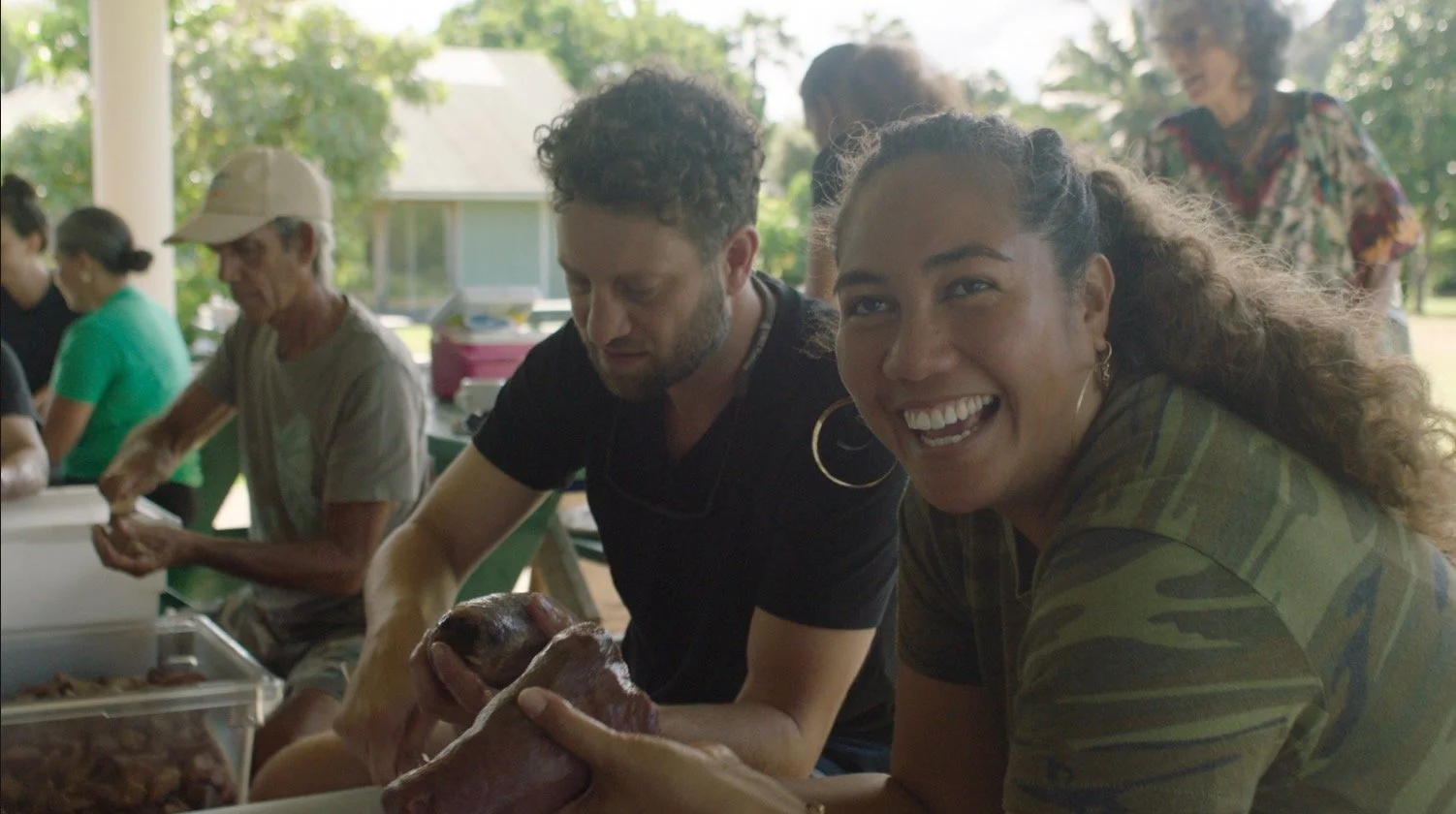
Our engagement is participatory and relationship-based. Where appropriate, we meet communities where they are at - participating in community-led activities, and build trust before asking for input. We learn and participate in the ceremonies, seasonal rhythms, and land-based practices of the communities we work with - knowing when people are fishing, trapping, or gathered for ceremony. And we focus on engaging them there, through invitation. Not just in community centres and coffee shops.
We are also mindful of research fatigue. Many Indigenous communities have been asked to contribute to projects without seeing meaningful outcomes. This is why we aim to contribute (e.g. ceremonies, events, where we can), are clear about how information will be used, and ensure that they see tangible value from their participation.
A core principle of our work is to follow the “nothing about us without us” approach to Indigenous engagement. This means that we seek approvals and feedback for all documentation and focus on coming from a place of partnership and reciprocity.
![[2023.04.26] - Surbana Jurong (Morning Breakfast) - 006.JPG](https://images.squarespace-cdn.com/content/v1/5e67a1043f00ce693e62d45d/8e8bfa27-3cdc-438d-ba4e-94666afd5c9d/%5B2023.04.26%5D+-+Surbana+Jurong+%28Morning+Breakfast%29+-+006.JPG)