Dancing with the Land
Winning Hunu City Proposal Sets New Global Benchmark for Regenerative Urban Design
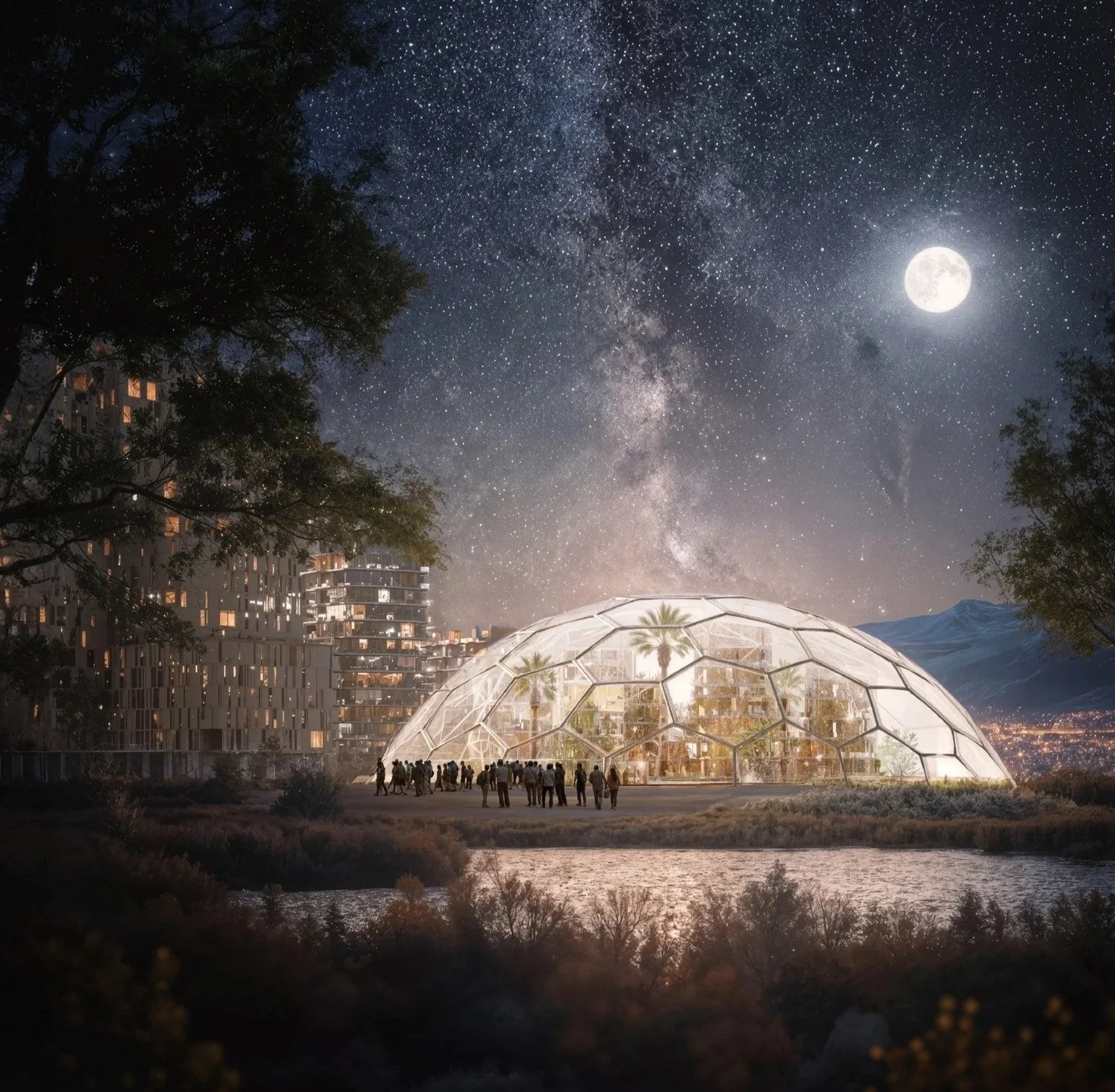
Over the past few months, SJ Group's regenerative design team contributed to the winning proposal in the International Design Competition for Hunnu City, Mongolia. Blending the advanced engineering capabilities of Robert Bird Group, the environmental design leadership from Atelier Ten, and the creativity of our global network, we helped create a design that honoured the place and its people by starting with a simple question:
How would nature lead design?
Our winning proposal for Hunnu City is grounded in a simple guiding question: How would nature lead the design? The team led by Bechu & Associés, approached the project by studying the rhythms and intelligence already present in the Mongolian steppe and allowing the land to reveal its own plan. This commitment to designing as nature would, shaped by water, topography, ecology, and seasonal time, became the foundation of the entire master plan.
That shift - from nature as constraint to nature as author - is what makes Hunnu City unique. It doesn’t just talk about regenerative masterplanning; it demonstrates what it looks like in practice:
the land as a living brief
hydrology as the primary structuring system
ecology and culture as organizers of neighbourhood form
phasing that follows ecological succession, not just capital flows
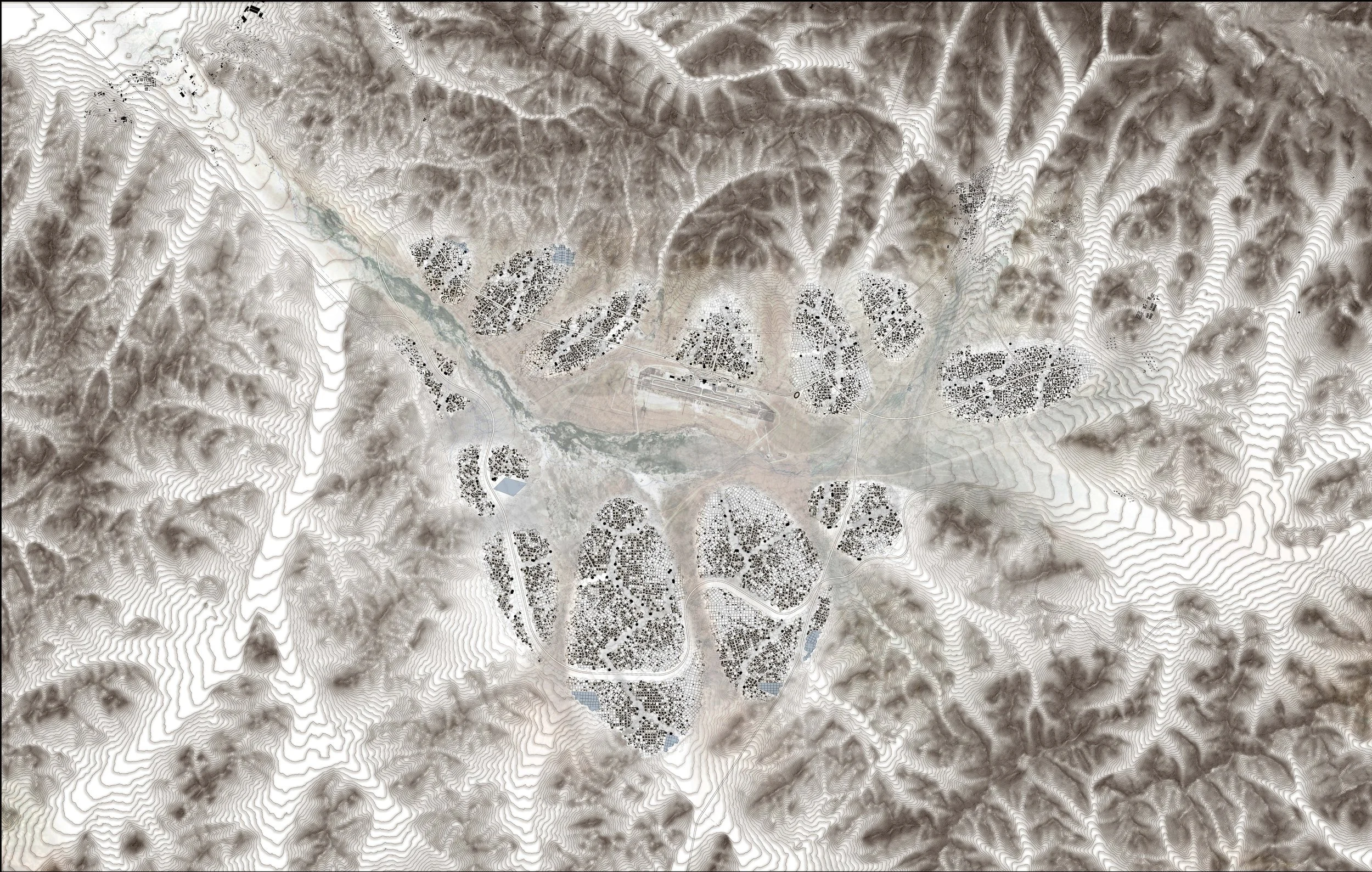
Hunnu City Masterplan, following the flows of water and ecology, creating nodes of constellations that fit the landscape
The Living Story Methodology
The site itself - the Khöshig Valley, south of Ulaanbaatar near Chinggis Khaan International Airport - sits at the heart of Mongolia’s Vision 2050 agenda. Hunnu City is planned across roughly 31,500 hectares, anticipating up to 150,000 residents and around 80,000 new jobs. The brief was clear: strengthen commerce, climate resilience, and cultural identity in a way that relieves pressure on Ulaanbaatar without repeating its problems.
Using the Living Story, the design team immersed itself in the region’s exposed landforms, sensitive hydrology, ecological succession patterns, and the nomadic behaviours that have long defined relationships between people and the landscape. Rather than beginning with fixed assumptions, the team listened for the story the land was already telling.
Topography taught us flows, where to be, and where the water was meant to be, to determine the structural spine and open spaces of the city.
Ecological corridors, which followed water, informed the neighbourhood clusters and ecological services that could regenerate the land.
Seasonal variability guided form, function, and resilience.
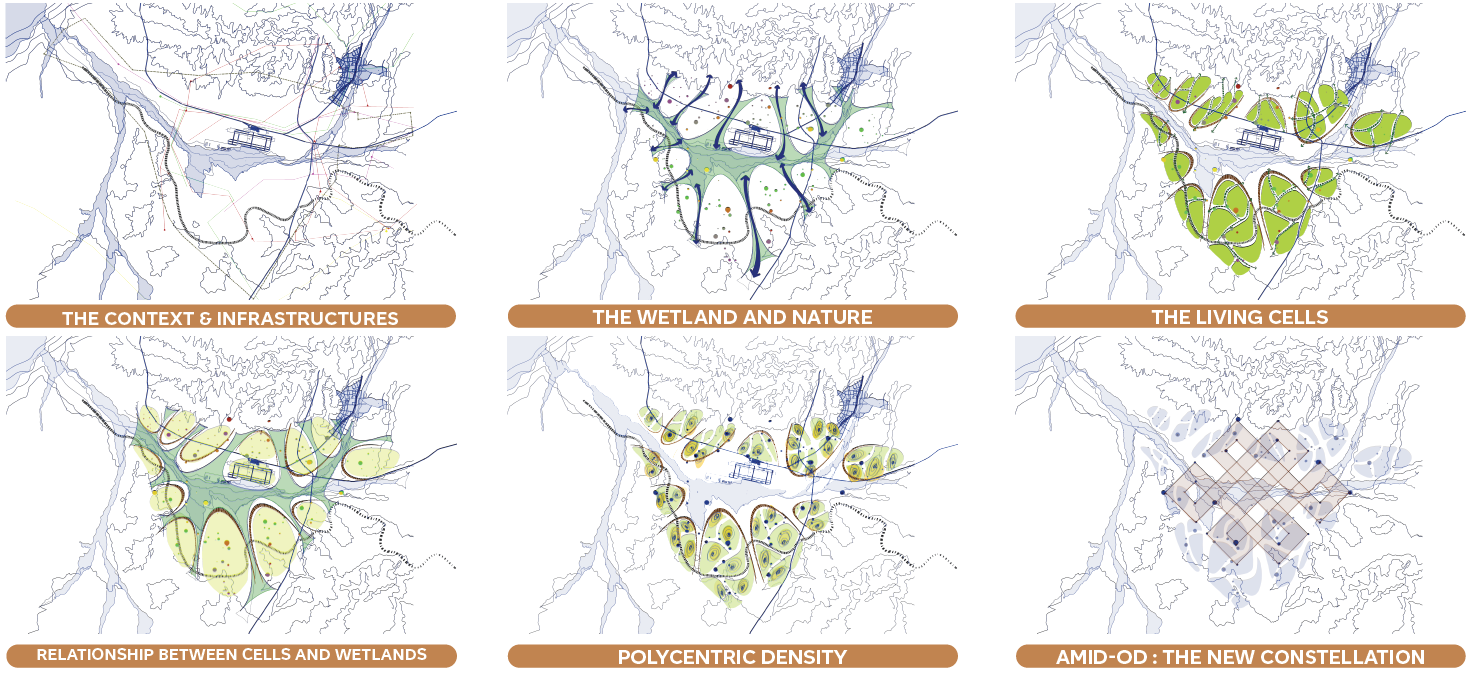
Biomimetic design process - letting the land lead the form and process to support a regenerative design
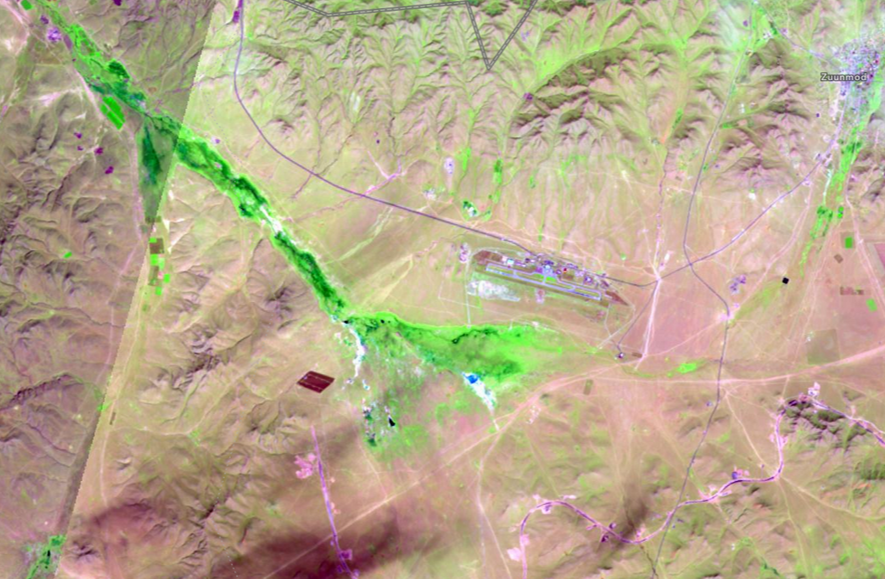
Vegetation heat map showing where current plant diversity is most concentrated (not surprisingly following water)
To know how to be regenerative, we must understand what it is we are regenerating. We need to listen to the land to figure out how we can contribute to its story.

Phase 1 planning strategy based on topography, water, ecology and walkable communities
From Fixed Blueprint to Evolving System
Following cellular patterns, we instilled a successive planning strategy, where the masterplan would emerge in phases - each learning and evolving based on lessons learned and changed ecology from previous designs. In this, we wanted to mirror how healthy ecosystems grow.
Our landscape strategy was designed to leverage what nature does best - grow. This meant designing for ecological succession, allowing life to build up biomass and soil stability naturally, and encouraging symbiotic plant relationships and permaculture. The Steppe is an incredibly sensitive ecosystem, one that we do not pretend to fully understand. Thus, through ecological engineering, our goal is to design with nature, or as nature.
The natural pathways and corridors support both human and wildlife movement, reinforcing a central principle known well to Mongolians: regenerative design is an ongoing dance with nature, not a one-time gesture.
This is a critical departure from conventional masterplanning. Instead of freezing a vision and defending it, the Hunnu framework is set up to learn over time - using ecological performance as feedback, not just financial or political metrics.
Amid Od: Culture as Organizing Structure, Not Decoration
The most recognizable physical expression of this approach is the Amid Od, or “stars of life”.
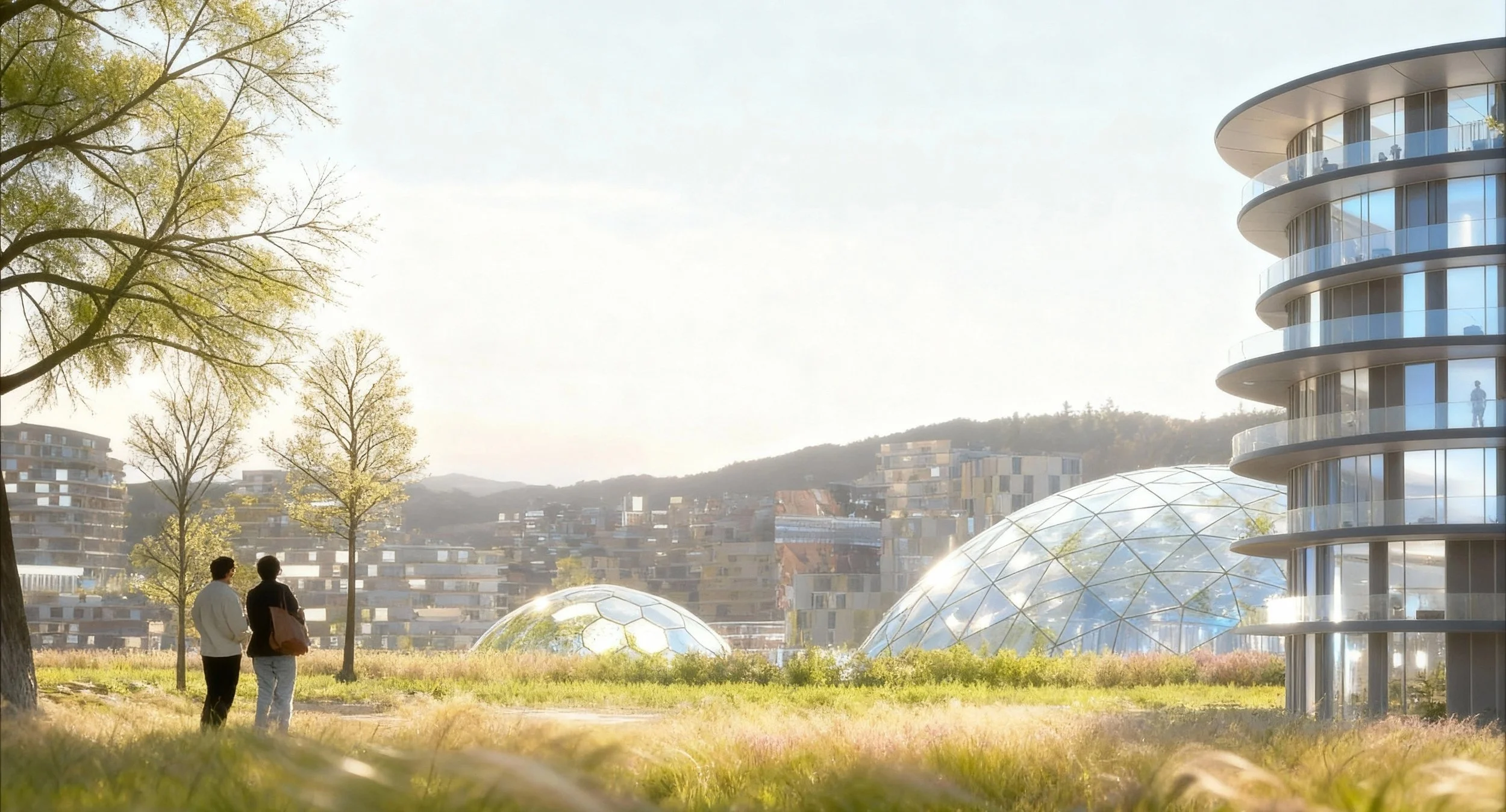
Amid Od - inspired infrastructure based on the Mongolian ger
These circular centres, inspired by the traditional Mongolian ger, act as local landmarks and civic hearts. Each Amid Od is a:
cultural and social hub
food and energy node
climate refuge that can keep communities safe and connected in extreme winters and hot summers
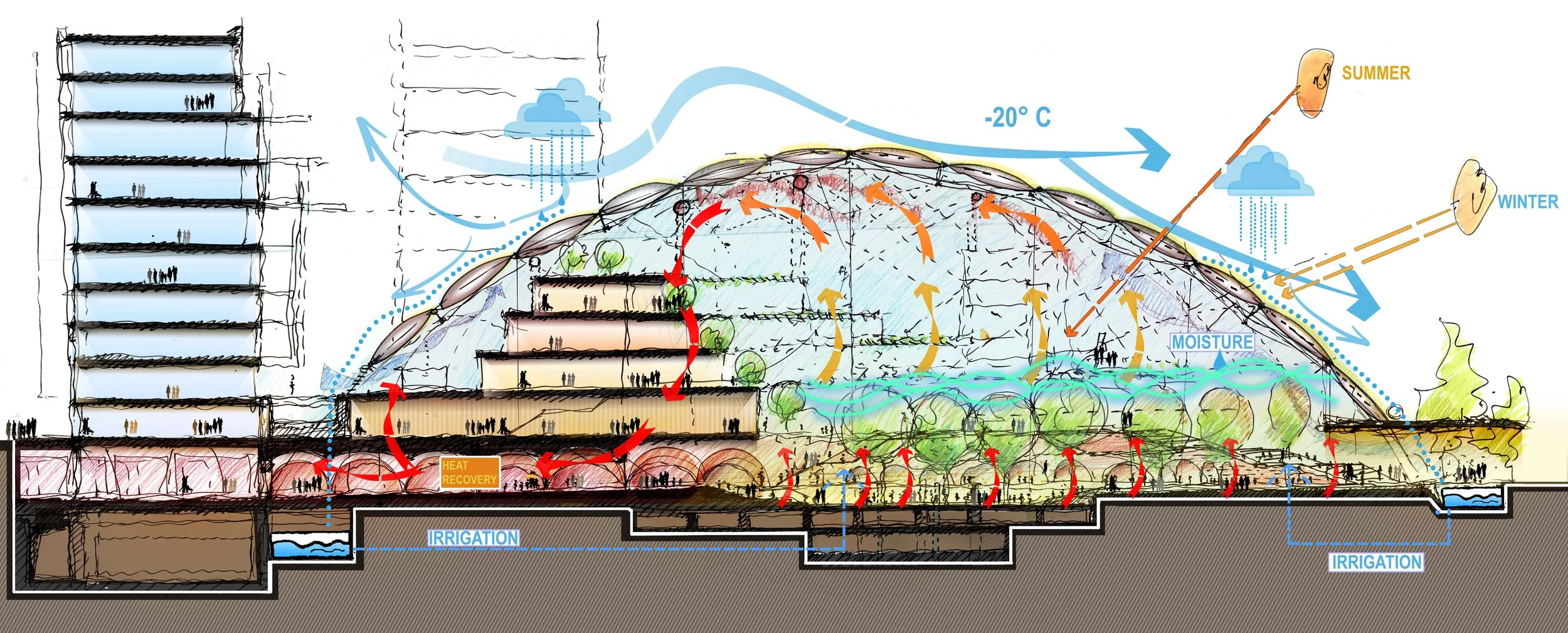
Amid Od designed to the harsh conditions, regenerating culture, hydrology, and a climate for more Life.
Around each Amid Od, density and diversity are concentrated to create walkable, mixed-use fifteen-minute districts. Moving outward, the built form softens into gardens, productive landscapes, and finally the steppe beyond. This cellular gradient allows Hunnu City to adapt and grow while keeping people close to services, work, and nature.
This is not cultural symbolism pasted onto a generic plan. Culture is doing real organizational work here - structuring movement, density, services, and resilience.
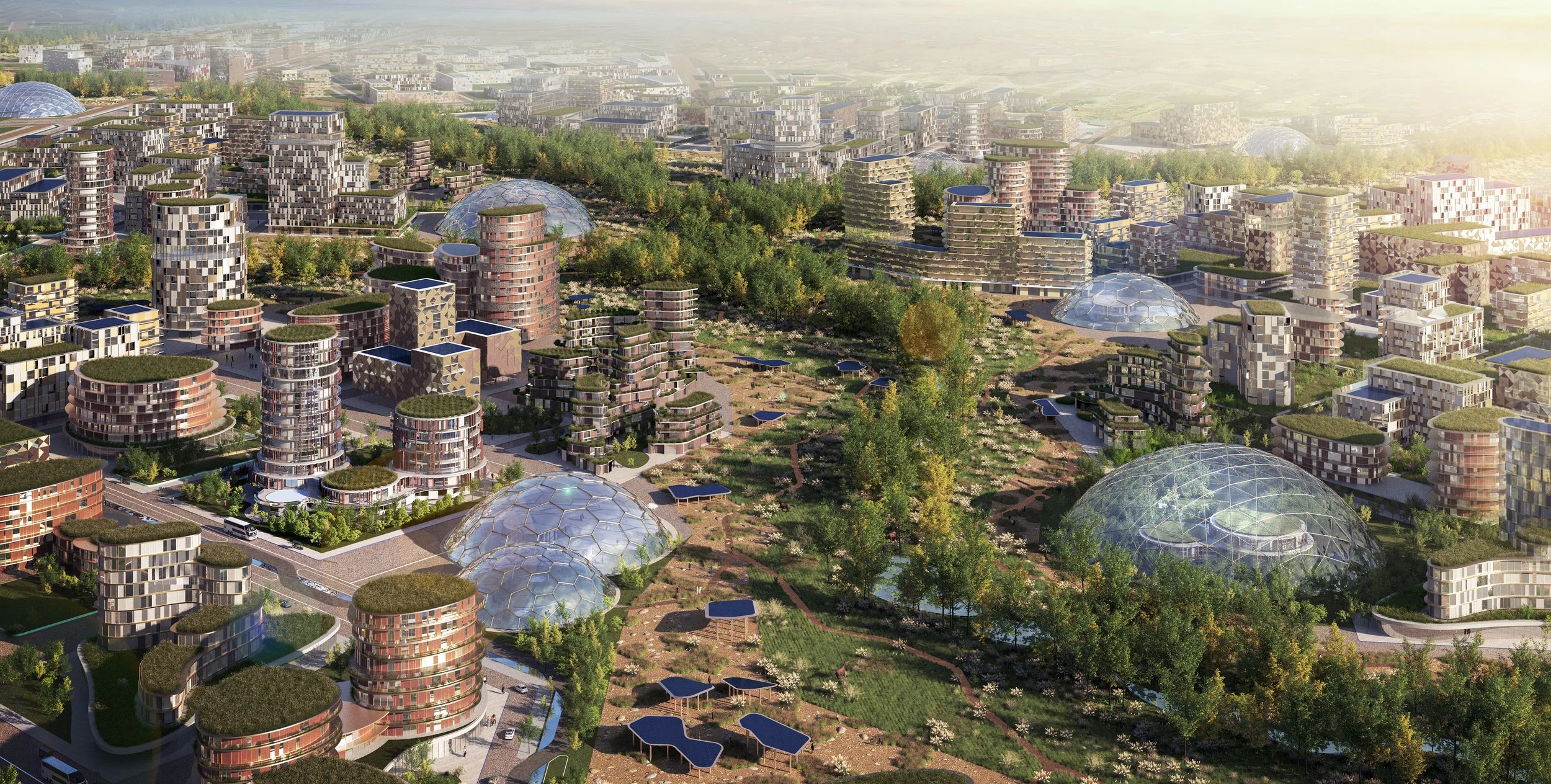
Arial view of Hunnu City’s ecological corridors
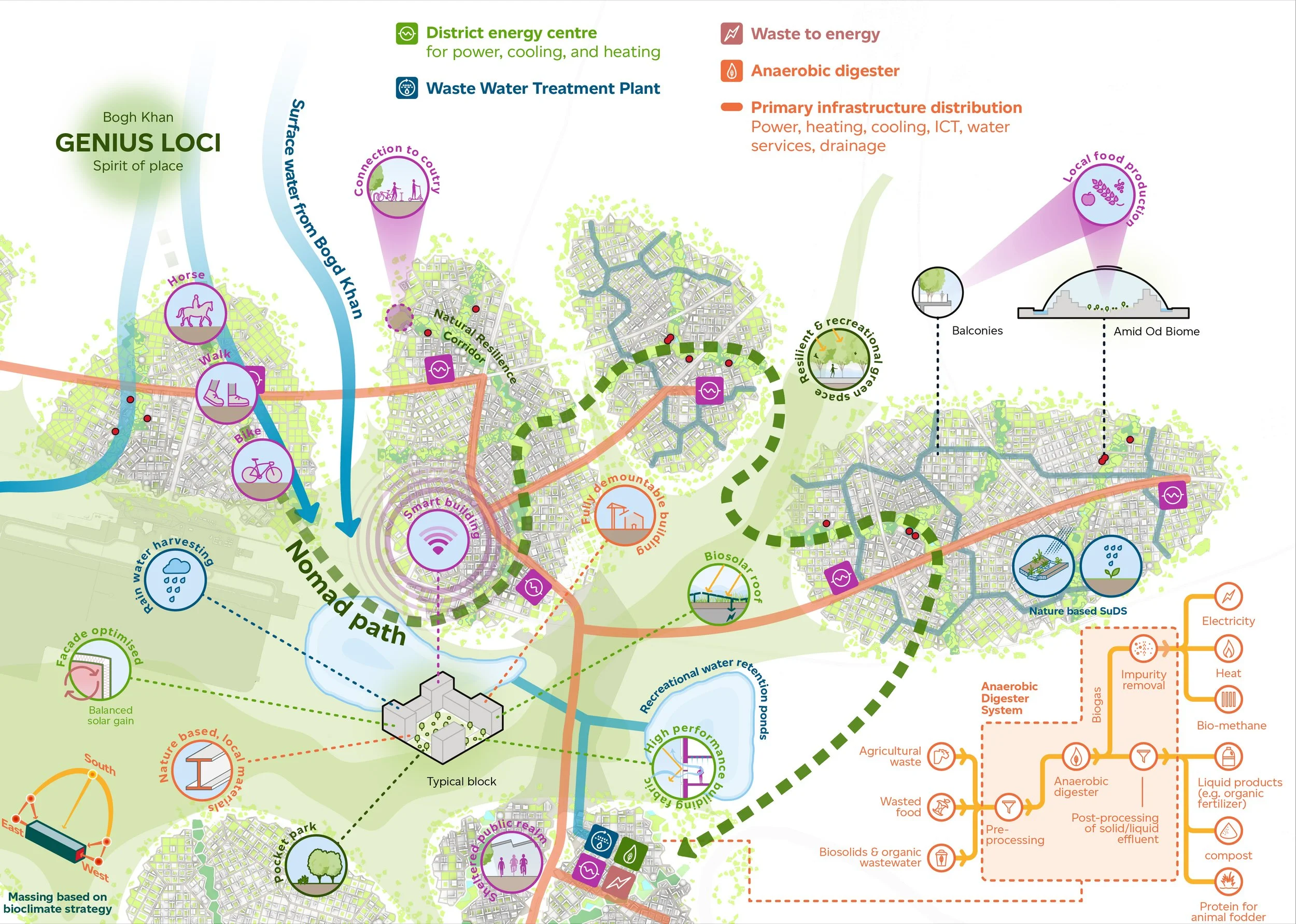
District plans manage water and energy locally, support low-carbon lifestyles, with net-zero-ready network, water-blanaced drainage and circular waste systems. The structural and civil systems follow the watershed and calibrated for the harsh climate
A Design that Resonates
During the final presentation, the client shared that they felt their culture, climate, and identity were deeply understood in our proposal. This response was perhaps one of the best things we could have heard because it reflects the intention of the Living Story approach. In our work, we seek to design in partnership with place and honour the socio-ecological context that makes each landscape unique.
And to us, this milestone is more than a win; it’s a call to action. If you are passionate about regenerative design, let’s connect. Together, we can design cities that restore ecosystems, honour culture and create resilient communities.